











Pickled Vegetables
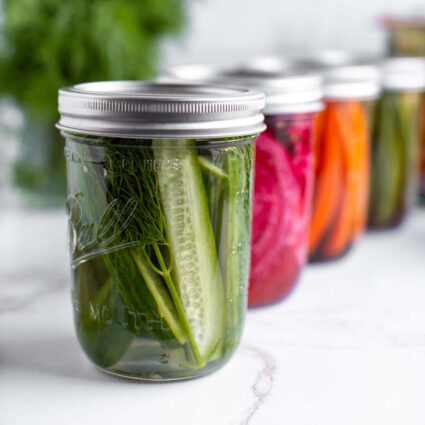
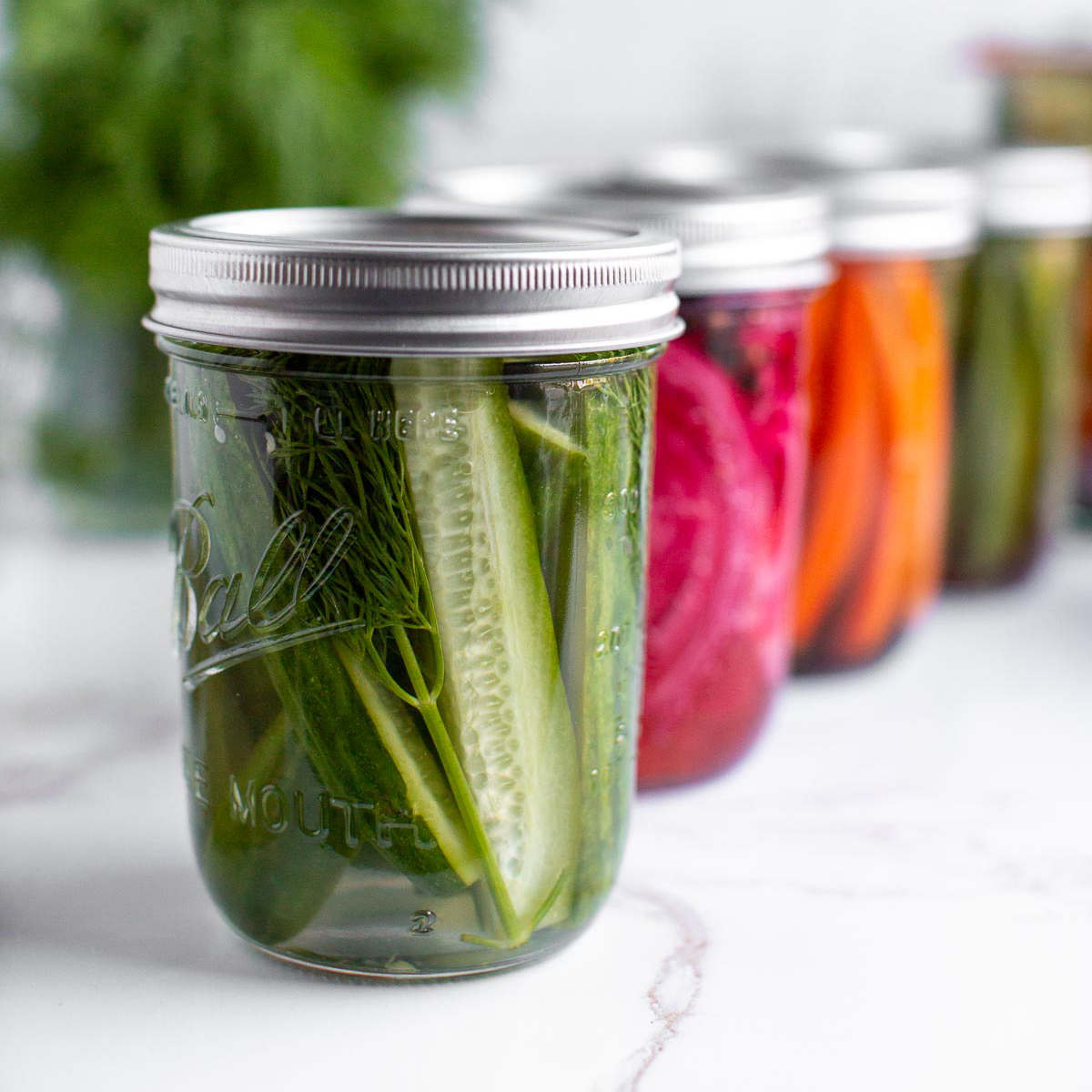
Pickled vegetables are one of those kitchen wins that feel way fancier than they are. With just a few simple ingredients, you can turn ordinary veggies into bright, tangy flavor bombs that go with almost anything. They add crunch, color, and a pop of zing that instantly makes your meals more exciting. Plus, making them at home is super easy and way more fun than grabbing a jar off the shelf.
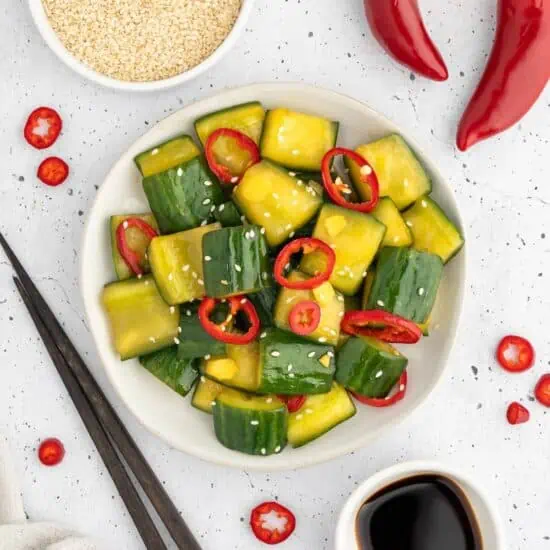
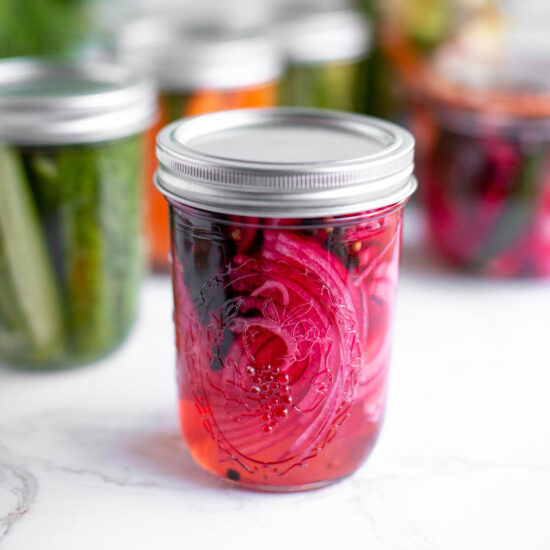
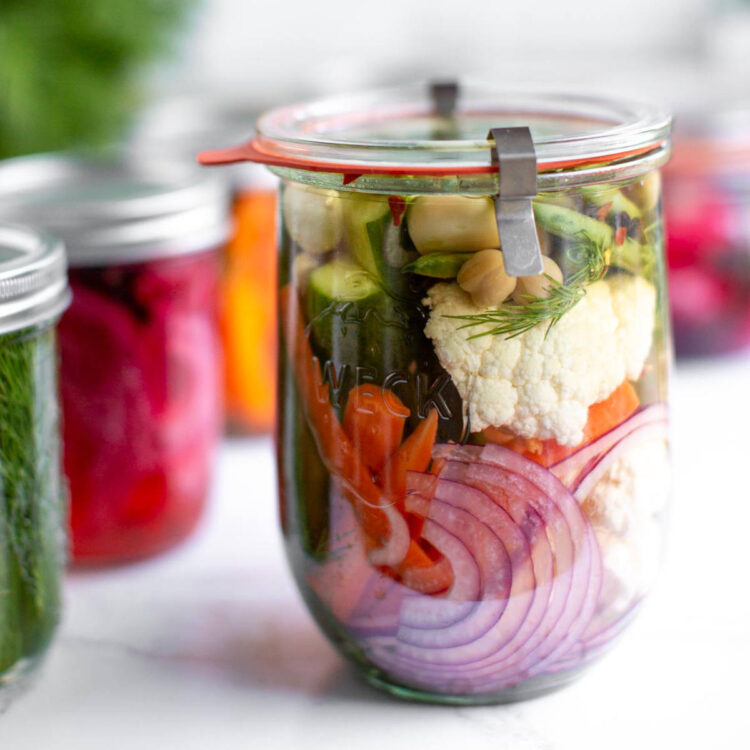
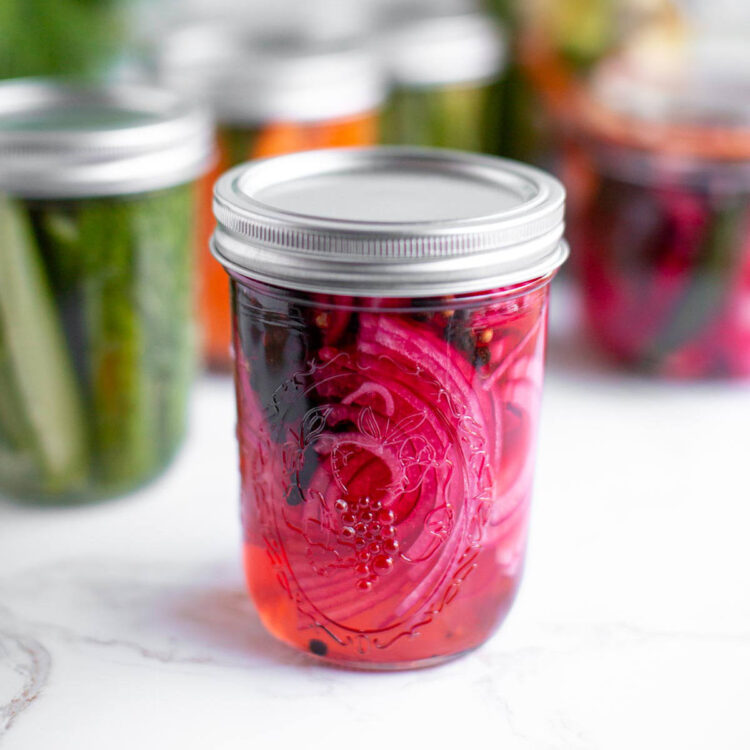
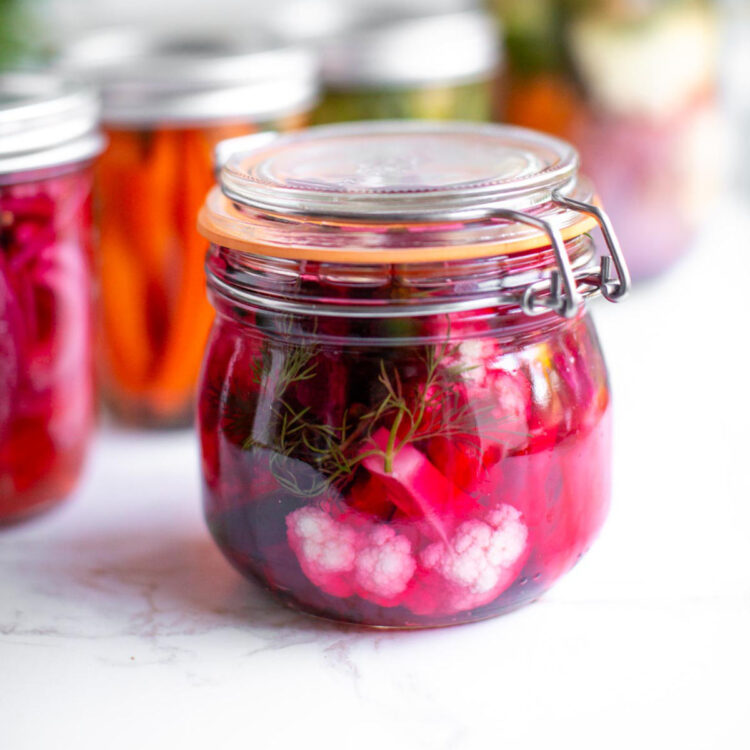
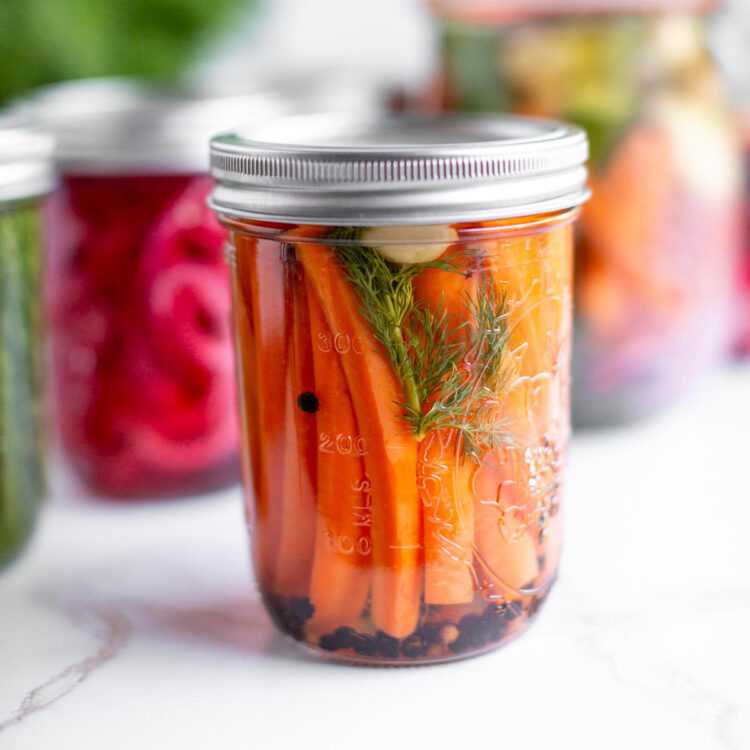
You can pickle just about any veggie you like — from cool Japanese cucumbers and quick pickled carrots to homemade pink pickled red onion, radishes, or even pickled cauliflower. A quick soak in vinegar, water, sugar, and salt is all it takes to transform them. Once they’re chilled, they’re perfect for layering on savory sandwiches, tossing in crisp salads, or serving as a crunchy snack.
This simple recipe will show you exactly how to make your own batch of fresh, delicious pickled veggies at home!
Why Pickled Veggies Are Awesome
Eager to make the perfect pickles? From the crisp veggies to the magical brine, what’s not to love about this cool, tasty condiment? Here are just a few reasons why you’ll love this recipe:
- Only 5 Simple Ingredients. Vinegar, water, veggies, salt, and sugar—is that all? You’re sure to have these staples in the kitchen pantry or fridge for sure!
- Delicious on (Pretty Much) Anything. Pickled veggies perk up any dish and are a handy, healthy snack when the urge for salty snacks hits.
- Quick and Easy. In less than ten minutes, you’ll have veggies soaking in salty goodness that will be ready to munch on the next day!
- Perfect for Food Prep. If made ahead of time, these clear jars of colorful veggies can not only brighten up your fridge, but also help you to vary the flavors of your favorite foods.
- Helps to Reduce Food Waste. When you have no idea what to do with those leftover stalks of celery or carrot sticks, this is the answer. Skip the compost and make yourself food for the future!
What are the Best Vegetables to Pickle?
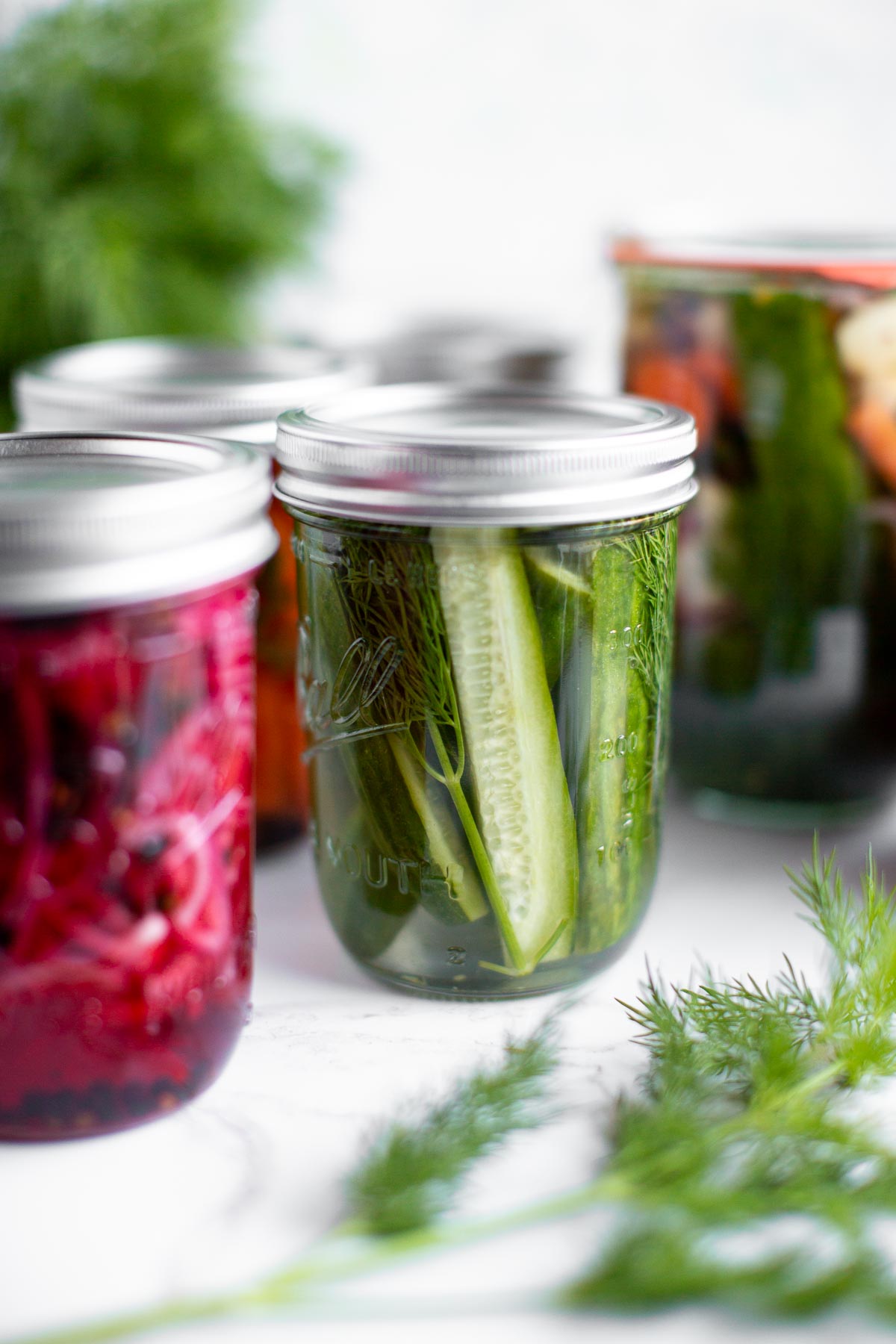
The fun part of making your own brined vegetables is choosing which ones to add! Go the classic route or be brave and pick more uncommon choices, like asparagus, squash, or daikon. How about adding mixed pickled veggies to a single jar? The choices are totally up to you and your taste buds.
Top 10 Vegetables to Pickle:
- Cucumbers
- Purple Onions
- Cabbage
- Carrots
- Green Beans
- Peppers
- Cauliflower
- Asparagus
- Beets
- Radishes
Key Ingredients and Substitutions for Quick Pickled Vegetables
Perfect your pickling skills with these ingredients and swap suggestions. Learn what you need and how to switch things up for tasty pickled veggies just the way you like!
- Vinegar – Gives pickled veggies that tangy, bright flavor and also helps preserve the veggies so they stay crunchy and safe to eat for weeks. Use a mild vinegar like white, apple cider, or rice vinegar for a balanced flavor. Lemon juice can work in a pinch, but it’s not as strong a preservative, so eat those pickles sooner.
- Salt – Helps draw out moisture from the veggies, keeping them crisp while enhancing flavor. It also plays a big role in preventing bacterial growth. Use non-iodized salt, like kosher or pickling salt, for the best results. Sea salt works fine, but avoid table salt with additives, which can cloud your brine.
- Sugar – Softens the acidity of the vinegar and adds a subtle sweetness that balances out the tang. It also helps veggies retain a nice texture and color. Start with a little sugar and taste — you can always add more if you like a sweeter pickle. Maple syrup, vegan honey, or agave syrup can work too, just remember they may slightly change the flavor and color of the brine.
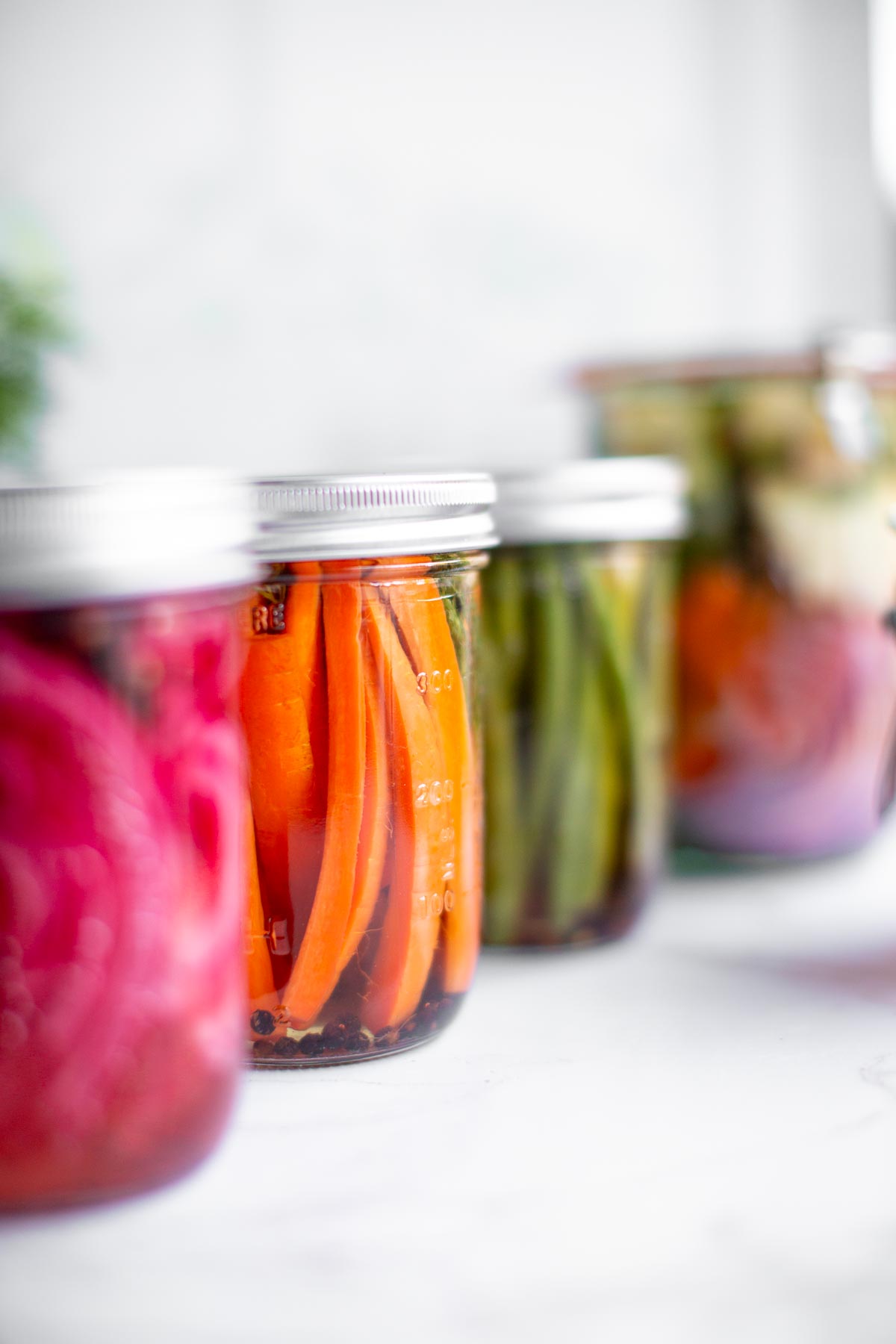
- Vegetables – Provide color, crunch, and natural flavor to your pickles. Fresh, firm veggies hold up better in the brine and give the best texture. Slice them evenly so they pickle at the same rate. Almost any vegetable works — carrots, cucumbers, peppers, cauliflower, onions, or radishes are all great options. Don’t forget to try banana peppers, sweet cherry, and Hungarian wax peppers, too.
How To Make Pickled Vegetables
Making pickled vegetables from scratch is a kitchen skill you’ll want to have. Not only is it quick and easy, but so much fun. You can make this a lovely weekly (or annual) tradition with your family, especially if you use vegetables from your own garden.
Step 1: Choose Veggies to Pickle – Select your favorite fresh vegetables—cucumbers, carrots, cauliflower, or a mix for a colorful medley.
Step 2: Choose Your Shape – You don’t have to stick to conventional shapes for pickling. While spears and sticks are traditional, you can always cut your veggies into cubes, circles, or other fun shapes. How about using cookie cutters to make adorable or snazzy pickle pieces?
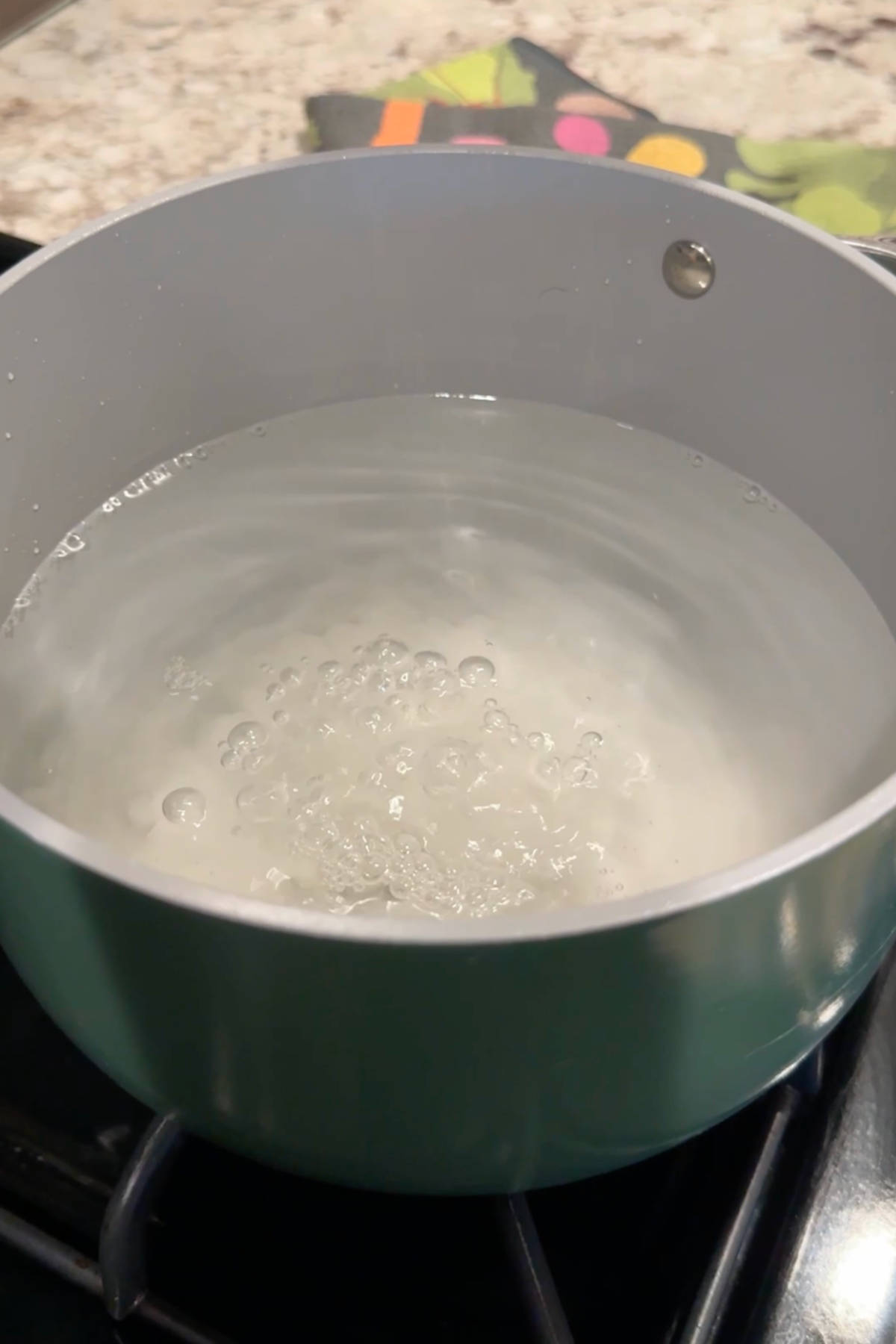
Step 3: Make the Brine – Measure out and add the vinegar, water, kosher salt, and sugar into a large saucepan and bring to a boil. Let it cool slightly while you arrange the veggies into the wide-mouthed mason jars.
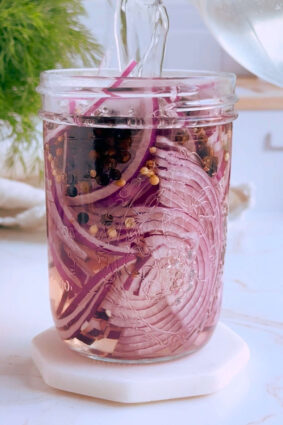
Step 4: Add Spices and Refrigerate – Add some spices like garlic, dill, or peppercorns for extra flavor. Whatever you like. Pour the brine carefully over everything in the jar until full. Add the lid and refrigerate overnight or for a few days.
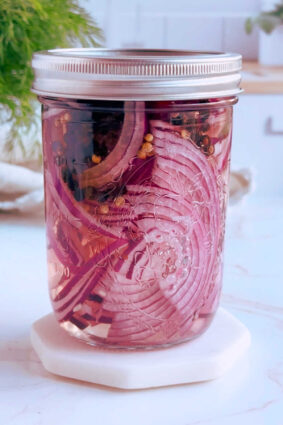
Once you let time work its magic, your homemade pickled vegetables will be ready to add a burst of flavor to salads, sandwiches, or enjoyed straight from the jar.
Helpful Serving Tips and Suggestions
There are so many fun ways of enjoying pickled vegetables! Here are our favorite ways of adding brined vegetables to everyday recipes:
- Easy Appetizer – Serve a sprinkle of pickled veggies on top of crackers with vegan cream cheese. Any cracker will do but these homemade almond flour crackers would be perfect!
- Snack Attack – Enjoy pickled veggies as a crunchy and tangy snack straight from the jar. Perhaps pair with some sweetened pecans or candied walnuts?
- Top That Salad – Bump your salad up a notch by tossing in pickled veggies for an extra kick and a delightful contrast of textures. We love adding a few finely chopped chunks to a creamy potato salad!
- Sandwich Upgrade – Amp up your sandwiches and wraps by layering them with pickled vegetables, enhancing both taste and crunch. How about adding a few to this Artichoke “Tuna” Salad Sandwich or Avocado Cucumber Sandwich for a bit of zing?
- Charcuterie Charm – Showcase pickled veggies on a charcuterie board to add color, tanginess, and a refreshing element to your spread.
Pickled Vegetable Recipe FAQs
Vegetables that are pickled can stay fresh for a few months to a year if you keep them in the fridge. How long they last depends on the veggie, how you pickle them, and where you store them. Vegetables with a higher water content tend to go “bad” more quickly.
Pickled vegetables are best when enjoyed fresh from the jar. It’s not a good idea to freeze pickled veggies because it can change how they taste and feel.
Pickled veggies still have some nutrients, but they might not be as healthy as fresh ones because pickling involves adding lots of salt and sometimes sugar. Fresh veggies tend to keep more of their good stuff.
A brine is a mixture of salt and water used in pickling to preserve and flavor vegetables. When veggies are soaked in this salty solution, the brine creates an environment that inhibits the growth of harmful bacteria. Not only that, but it also encourages the growth of beneficial bacteria. Pickling brine also gives the vegetables their pickled taste and extends their shelf life.
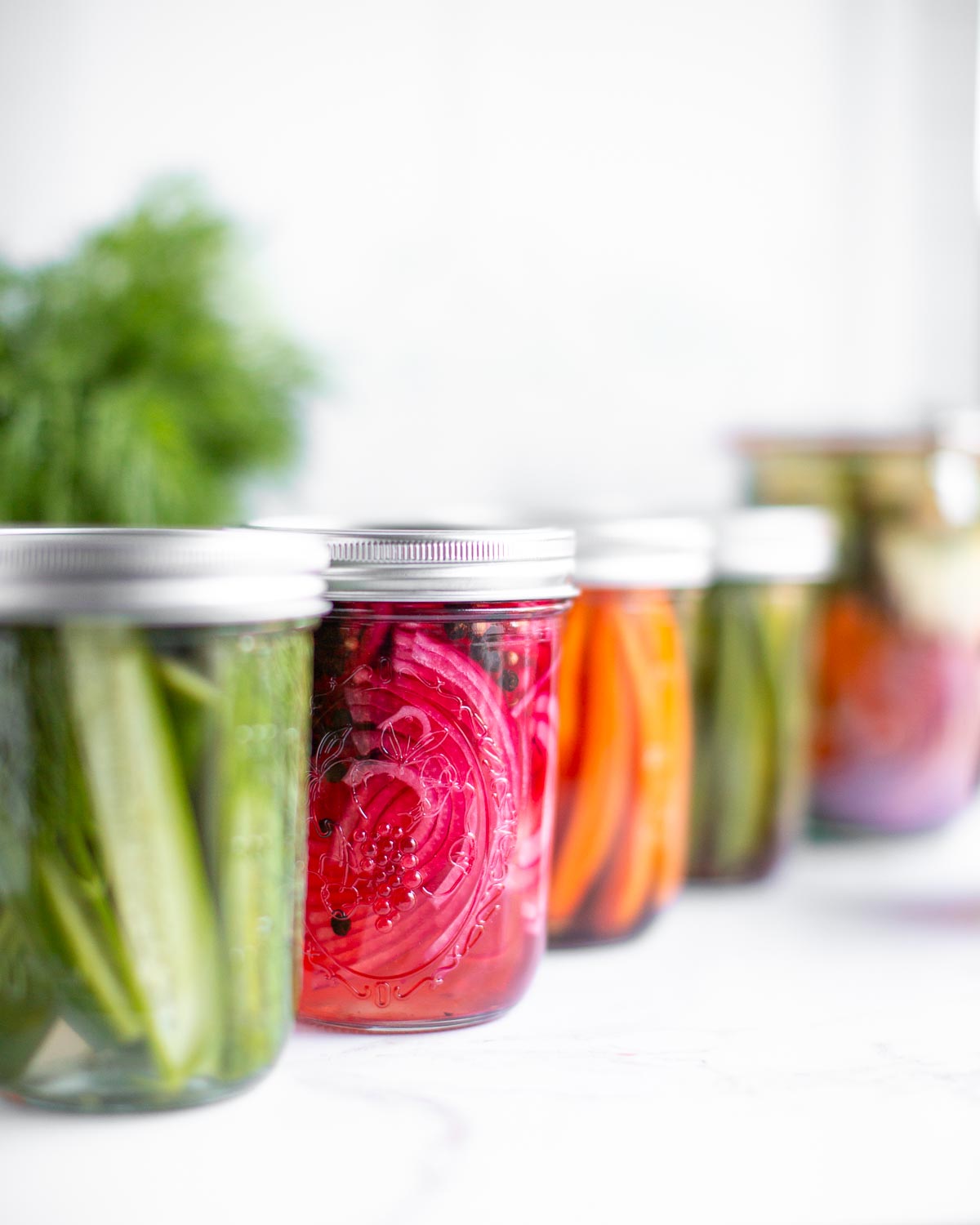
Time to jump into the age-old art of pickling! You’ll love turning everyday veggies into tangy bursts of flavor and add a new yummy element to old recipes. You’ll impress not only yourself, but also your friends and family with your homemade pickled wonders.
More Plant-iful Pickling Recipes
Listen while you cook! Tune into my podcast, The Plant Powered People Podcast, while you’re cooking, folding laundry, or taking a bath. It may just change your life!

Pickled Vegetables

Equipment
Ingredients
Brine:
- 2 cups white vinegar
- 2 cups water
- ¼ cup sugar
- 2 tablespoons kosher salt
Pickled Veggie Options:
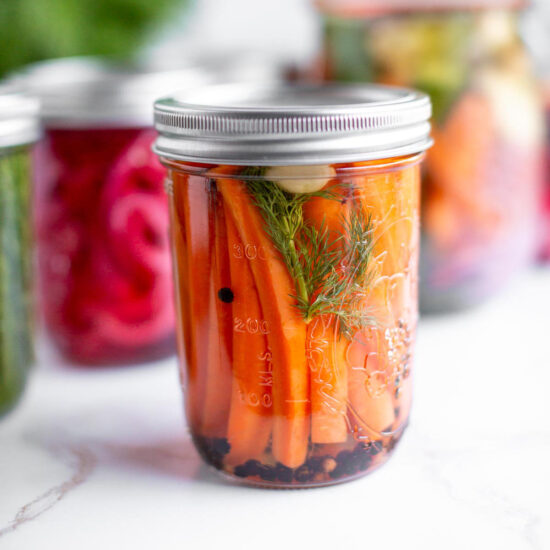
- Carrots, sliced into sticks
- Cucumbers, sliced into spears
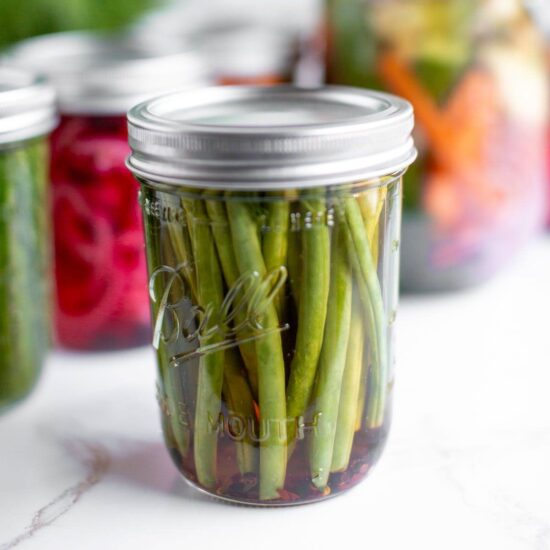
- Green Beans, trimmed to fit your jar
- Red Onions, thinly sliced
- Cauliflower, cut into small florets
- Chickpeas, rinsed and drained
Spices and Mix-Ins:
- Peppercorns, pink or black
- Coriander Seeds
- Fresh Dill
- Garlic Cloves
- Peppers , Jalapeno, Habanero, etc.
- Red Pepper Flakes
- Beet Chunks , for pink color
Instructions
- In a medium saucepan add the vinegar, water, salt, and sugar, mix, and bring to a boil. Once salt has dissolved, remove from heat while you assemble your jars.
- Fill wide-mouth mason jars with your choice of vegetables to pickle.
- Add any desired spices and mix-ins.
- Pour the hot liquid over the veggies until each jar is full. Close the jars and store in the fridge.
Video
Notes
- Mix It Up: Feel free to mix a few of each type of veggie into one mason jar or, if you’d prefer, make each mason jar a different veggie.
- Be Patient with Pickling: The longer you let the veggies sit in the brine, the better they’ll taste. They can be eaten right away, but at least give them 3 days to marinate for maximum flavor.
- Container Tips: You can use any type of mason jar, but the wide mouthed version gives you the most space for adding vegetables.
Nutrition
You may also like...

Enter to Win Our Monthly Giveaway!
New winner every month! Drop your name below for a chance to win hundreds of dollars of vegan prizes from our brand partners. You’ll also receive our weekly e-newsletter with plant-based recipes galore!
Leave a Comment
Thanks for this so helpful
Love this recipe so much! Pickled veggies are super fun to make and perfect on top of sandwiches or salad 😀
Can’t wait to pickle with this recipe!
This is such a great guide! Can’t wait to try this out!
I gotta get my pickling game together! Great recipe!
I can’t believe it took me this long to start pickling veggies! This recipe is perfect.
I had no idea how easy it is to pickle your own veggies. Makes me feel like a total homesteading pro!