









Is Yeast Vegan? Everything You Need to Know

If you’ve ever paused mid-recipe wondering, “Wait… is yeast actually vegan?”—you’re not alone.
It’s one of those ingredients that feels a little mysterious. It’s alive (sort of), it makes bread rise, and it’s often associated with fermentation… so where does it fall on the vegan spectrum?
The good news is simple: yes, yeast is vegan.
- Baker’s yeast (for baking bread) → vegan ✔️
- Brewer’s yeast → vegan ✔️
- Nutritional yeast (for flavor/nutrition) → vegan ✔️
But there’s a bit more to understand about why—and how it’s used—especially if you’re aiming to feel confident in your food choices. Let’s break it down in a simple, no-stress way.


What Is Yeast?
Yeast is a single-celled microorganism classified within the fungi kingdom. Unlike animals, fungi do not have a nervous system, brain, or the capacity to experience pain.
In culinary contexts, yeast is most commonly used for fermentation. When yeast consumes sugars, it produces carbon dioxide and alcohol. This process is what gives bread its rise and contributes to the flavor and texture of many fermented foods and beverages.
Because yeast is neither an animal nor derived from animal products, it is considered fully compatible with a vegan lifestyle.
Is Yeast Vegan?
Yes, yeast is vegan.
Plants, fungi, and microorganisms like yeast are not considered sentient and are therefore included in a vegan diet.
Because yeast is a living organism, some people wonder whether consuming it aligns with vegan values. However, veganism does not exclude all living things—it focuses specifically on organisms with the capacity to feel pain and suffer.
Yeast, as a microorganism in the fungi kingdom, does not fall into this category.
While yeast is technically “alive” prior to use, it does not possess sentience or the biological structures associated with animal life. For this reason, it is widely accepted as vegan across both ethical and dietary frameworks.
Common Types of Yeast
Understanding the different types of yeast can help clarify how it’s used in everyday cooking and food production.
Baker’s Yeast
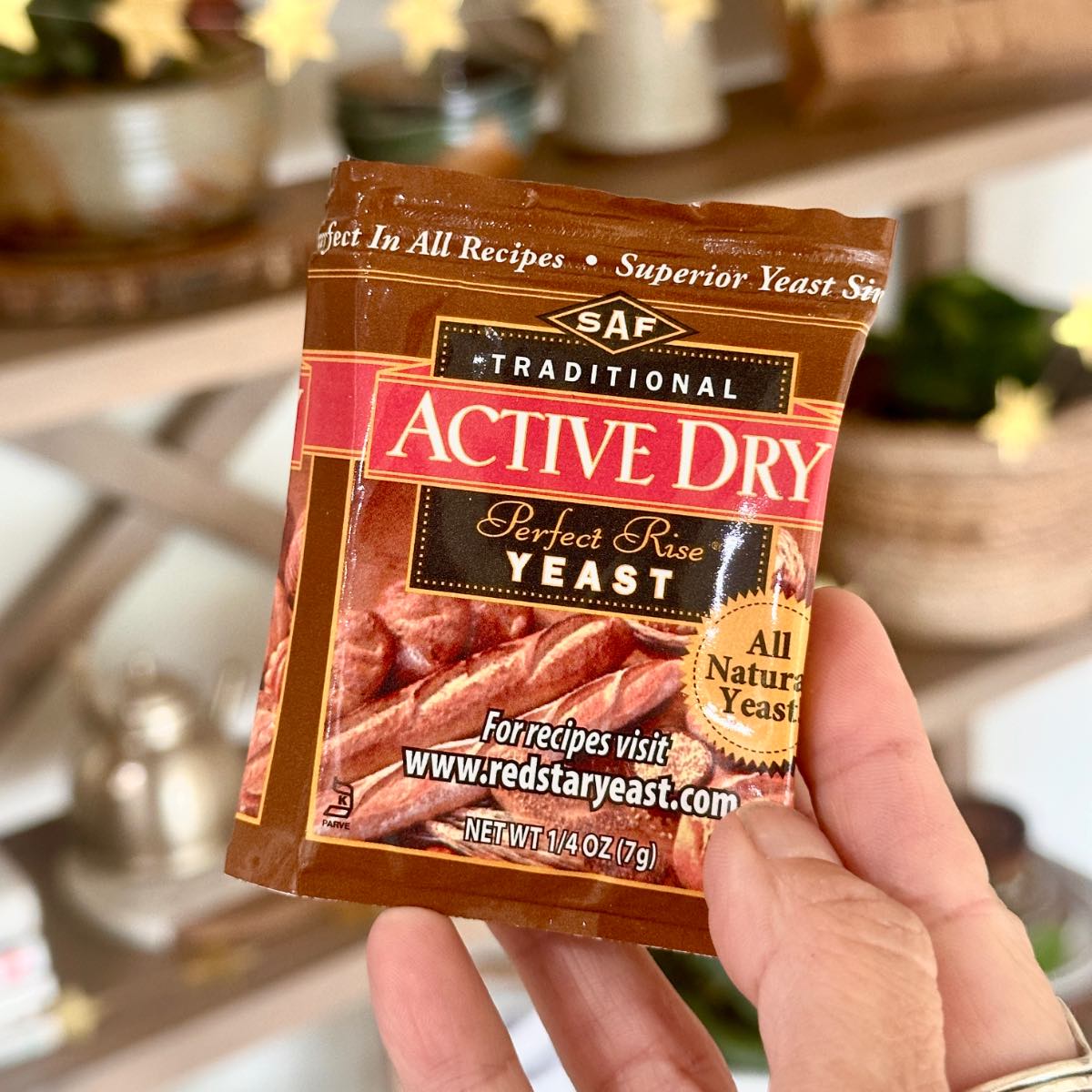
Baker’s yeast is used to leaven bread and other baked goods. It is available in several forms, including:
- Active dry yeast
- Instant yeast
- Fresh yeast
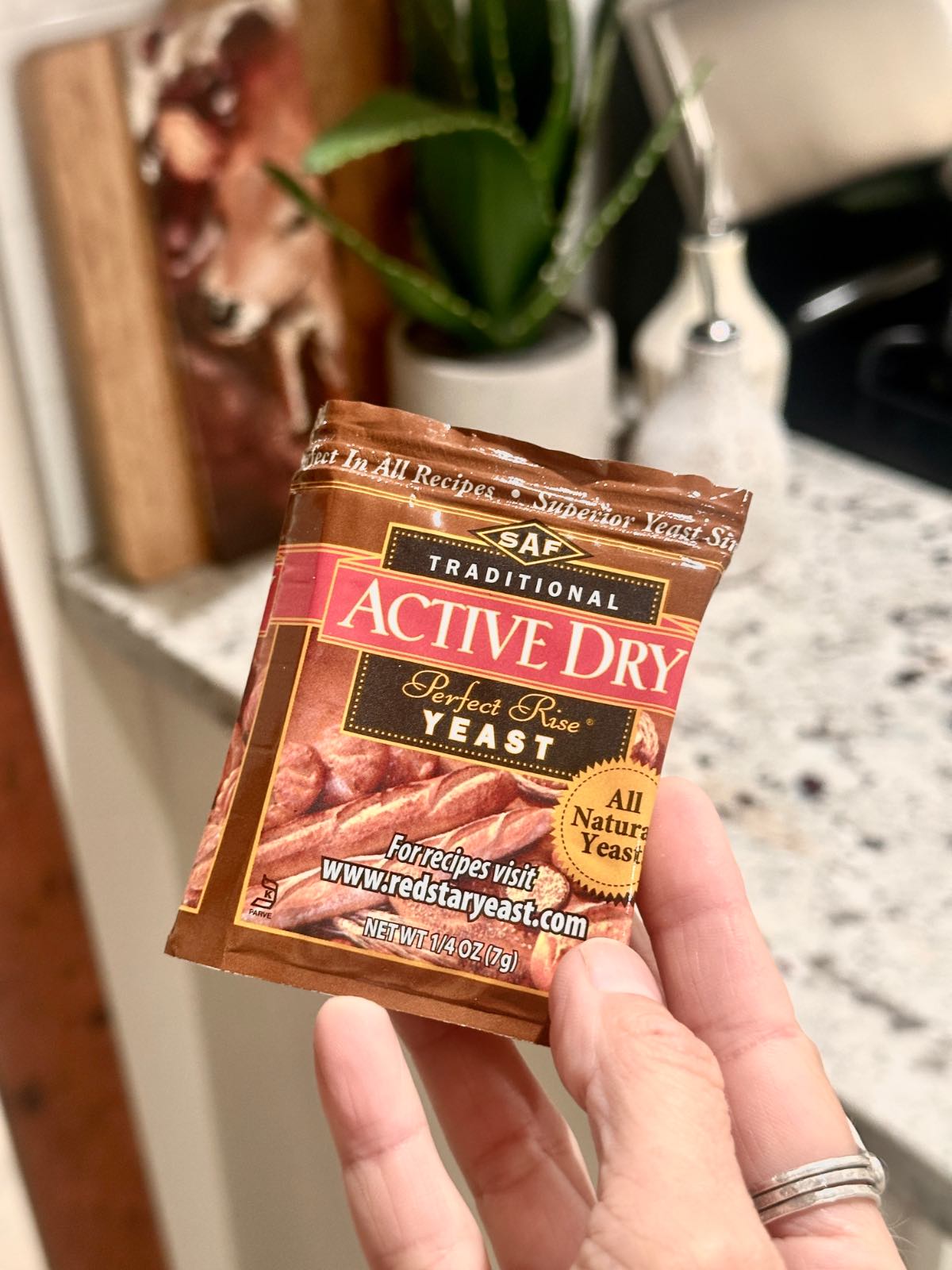
This type of yeast ferments sugars in dough, producing carbon dioxide that creates a light, airy texture.
Vegan status: Vegan
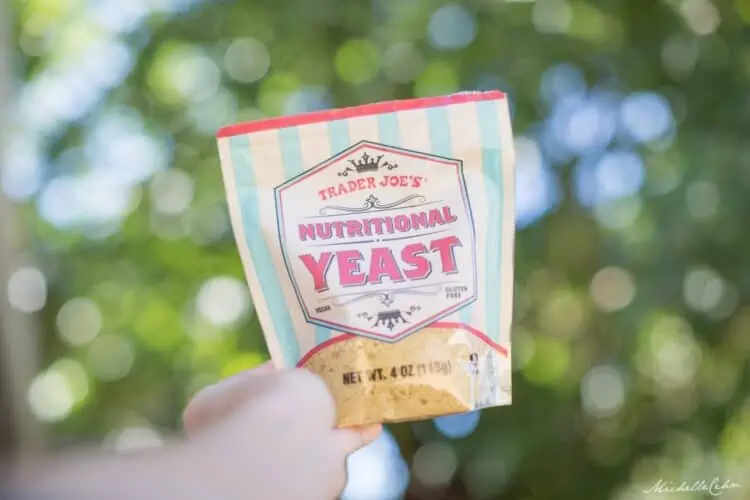
Nutritional Yeast: A Staple in Vegan Cooking
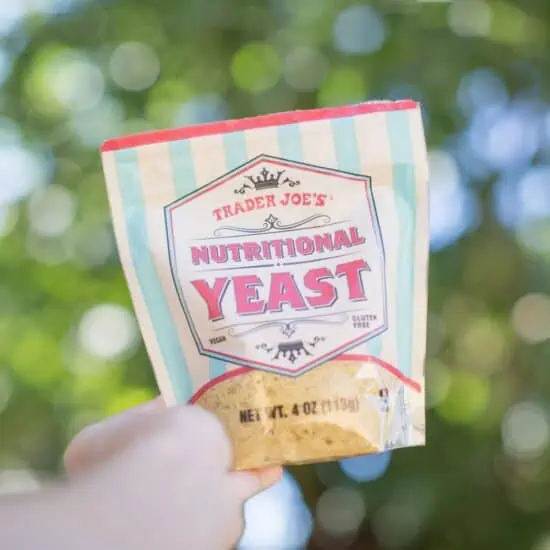
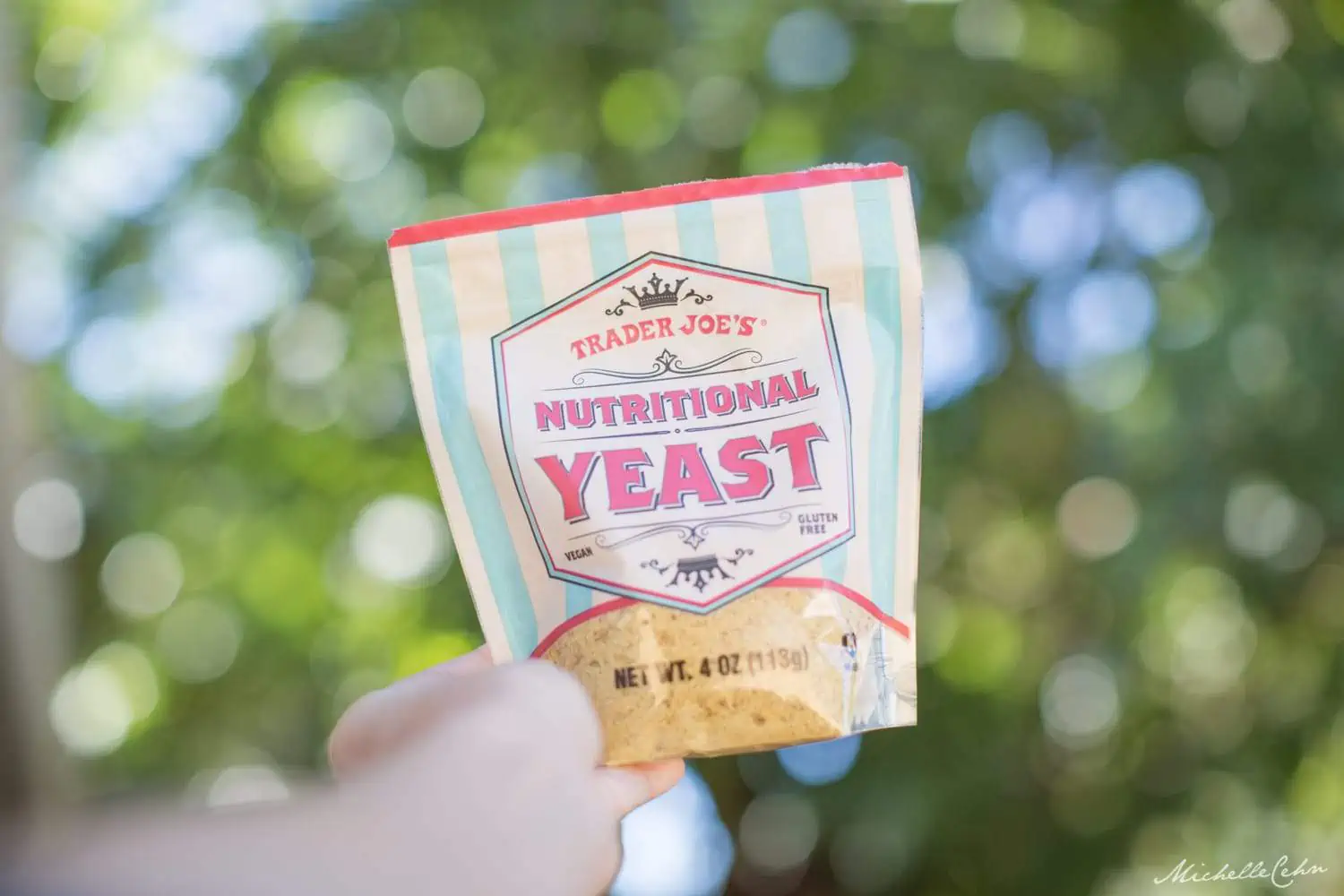
Nutritional yeast is a deactivated form of yeast, meaning it no longer has leavening properties.
Among the different forms of yeast, nutritional yeast holds a special place in plant-based kitchens. Its naturally savory flavor makes it a versatile ingredient for creating dairy-free versions of traditionally cheese-based dishes. It can add depth to sauces, enhance simple meals, and bring a satisfying umami quality to everyday cooking. For many, it becomes a pantry essential.
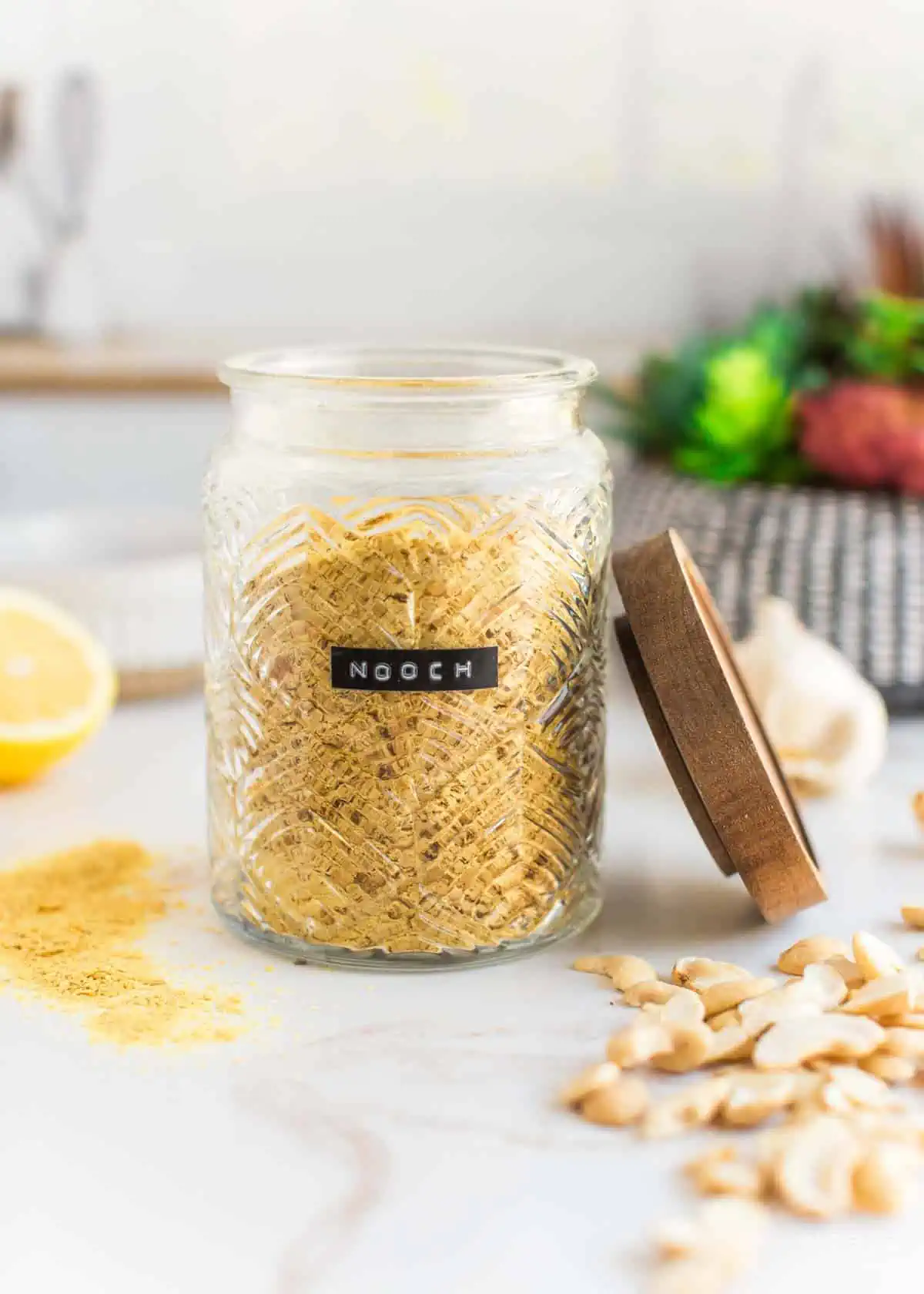
Many varieties are fortified with vitamin B12, making them a popular ingredient in vegan diets.
It’s commonly used as a staple ingredient in recipes like:
- Mac and cheese
- Vegan parmesan cheese
- Tofu scramble
- Kale chips
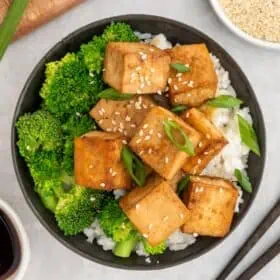
- Crispy fried tofu
- Sauces and dressings
It can also be added as a cheesy sprinkle to:
- Pasta dishes (it’s a fantastic base for vegan mac and cheese)
- Popcorn
- Roasted vegetables
Vegan status: Vegan
Brewer’s Yeast
Brewer’s yeast is a byproduct of beer brewing and is sometimes used as a nutritional supplement. It has a slightly more bitter flavor than nutritional yeast but shares similar nutritional properties.
Vegan status: Vegan
When to Take a Closer Look
While yeast itself is vegan, it’s helpful to consider the broader context of the foods it appears in. For example: Some breads and baked goods may include dairy, eggs, or honey (see: Is Honey Vegan? for our exploration of that topic).
Certain alcoholic beverages including beers and wines may use animal-derived fining agents during processing In these cases, the yeast is not the concern—the additional ingredients or production methods are.
The Bottom Line
Yeast is a fungus, not an animal, and it is widely considered vegan. From baking bread to enhancing flavor with nutritional yeast, it plays a valuable and entirely plant-compatible role in the kitchen. For those navigating a vegan lifestyle—whether newly exploring or well-established—yeast is one ingredient you can feel confident using.
Frequently Asked Questions
Yes, active yeast is a living microorganism before it is used in cooking or baking. However, it is not sentient and does not have the capacity to feel pain.
No. Nutritional yeast is deactivated and used for flavor, while baking yeast is active and used for leavening.
No. Yeast is widely accepted as vegan and commonly used in plant-based cooking.
You may also like...
Enter to Win Our Monthly Giveaway!
New winner every month! Drop your name below for a chance to win hundreds of dollars of vegan prizes from our brand partners. You’ll also receive our weekly e-newsletter with plant-based recipes galore!