















Vegan Vitamin D (Best Recommendations From A Dietitian)


We all know by now that we should be supplementing Vitamin B-12 as vegans. But many mistakenly believe that B-12 is the only vitamin we should be supplementing. In fact, there are several other vitamins that are equally important to consider—such as vegan vitamin D.
Today, we’re welcoming back registered dietitian Taylor Wolfram RD, who answers all questions such as:
- Can you get all the vitamin D you need from the sunshine?
- Do vegans need to supplement vitamin D?
- What does vitamin D do?
- Is all vitamin D vegan?
- What are the best vegan vitamin D supplements?
- What’s the difference between vitamin D2 and D3?
- Could you be deficient in vitamin D?
Let’s get started!
What is Vitamin D and What Does it Do?
Technically a hormone, vitamin D serves many functions in the human body. Its most well-known role is aiding in calcium absorption and therefore supporting good bone health.
When vitamin D is in short supply, bones become brittle and rickets can occur. Vitamin D also is active in cell growth, immune function and mediating inflammation in the body. Needless to say, it’s an important vitamin!
What Do I Need to Know About Vitamin D?
If you’ve ever wondered if you need to take a vitamin D supplement, you’re not alone. It is true that we actually don’t know the optimal vitamin D levels for humans. And, while there is conflicting evidence as to whether or not vitamin D supplements are helpful. As a vegan dietitian, Taylor recommends seeing your healthcare provider for a physical and blood work every year.
The short answer is: If you have trouble meeting your vitamin D intake, you should consider taking a supplement.
Can I Get All The Vitamin D I Need From The Sun?
Vitamin D is commonly referred to as the “sunshine vitamin.” But sunlight does not contain vitamin D. Rather, ultraviolet (UV) rays activate a compound in our skin that later becomes vitamin D after it travels to the liver and the kidneys.
You may have heard that spending 15 minutes a day outside is plenty to make all the vitamin D you need. But, there are other factors involved.
Factors That Impact Vitamin D Production From Sun Exposure:
- Amount of skin exposed
- Age
- Time of year
- Cloud cover
- Air pollution
- Sunscreen use
- Skin color
This is why it’s impossible to make a single blanket recommendation for the amount of sun exposure needed to get enough vitamin D.
Does Sunlight Through a Window Count?
No, your body cannot make vitamin D from sun that is passing through glass (such as a window) before it gets to you. Any moments getting sun through a car window don’t count toward your vitamin D.
Keep in mind—sun can cause damage to our skin and eyes and increase our risk for skin cancer. It’s a good idea to limit sun exposure and wear protective clothing and sunscreen when in the sun—which in turn makes it harder to meet our vitamin D requirements from sunshine alone.
Types of Vitamin D
Vitamin D is a fat-soluble vitamin that is not found in many foods, vegan or otherwise. The best natural “dietary” sources of vitamin D are fatty fish flesh and liver. But these meats also come with risks, including mercury and microplastics.
Cow’s milk, while often touted as a good source, doesn’t naturally contain vitamin D. Cow’s milk is fortified with it (just like many plant-based milks).
Two Types of Vitamin D:
- Vitamin D2 (Usually animal-derived, but some may come from lichen.)
- Vitamin D3 (Plant-derived form)
Which Is Better—Vitamin D2 or D3?
Contrary to popular belief, there is not enough research to conclude that one form is preferable to the other in terms of bioavailability.
Is Vitamin D Vegan?
Vitamin D2 is plant-derived form, and is usually vegan.
Vitamin D3 typically comes from something called “lanolin,” which is extracted from the wool of sheep. and, therefore, not vegan-friendly. But there are some Vitamin D3 options that are derived from lichen and are vegan certified!
Do Vegan Foods & Beverages Contain Vitamin D?
The only natural vegan food sources of vitamin D are mushrooms grown under UV light. You can’t assume that all mushrooms contain vitamin D as most mushrooms are grown in the dark. If store-bought mushrooms do contain vitamin D, it should say so on the label.
Other Vegan Options for Vitamin D:
- fortified foods
- fortified beverages including plant-based milks
Note: Most vitamin D3, the most common form used in fortification in foods such as breakfast cereals, is not vegan.
How Much Do I Need?
Recommended Dietary Allowances, which are set by the Food and Nutrition Board are the official recommendations set by the U.S. government. The current RDAs for vitamin D are as follows:
- 0-12 months: 400 IU
- 1-70 years, including pregnancy and breastfeeding: 600 IU
- 70+ years: 800 IU
There is evidence that 1,000 IU per day may be what most adults need. Some professional organizations have even higher recommendations. For instance, The Endocrine Society recommends 1,500 to 2,000 IU per day for adults and the Vitamin D Council recommends 5,000 IU per day for adults.
Talk to your health care provider about your individual vitamin D needs.
Are Vegans at Increased Risk for Vitamin D Deficiency?
Yes. People who are vegan, lactose intolerant or who have a milk allergy are at increased risk of vitamin D deficiency. This makes sense as fortified cow’s milk is a significant source of vitamin D for many people living in the United States.
Also at risk for vitamin D deficiency:
- Breastfed infants
- Older adults
- People with limited sun exposure
- Individuals with dark skin
- Those suffering from inflammatory bowel disease
Should I Take a Vitamin D Supplement?
Make an appointment with your health care provider and tell them you’d like your vitamin D level checked. If your results are low, they will recommend a supplement.
Be sure to ask for the dosage (amount) and duration (for how long) of the supplement, and when you should come back to have your levels retested.
But beware, most prescribed vitamin D supplements are not vegan. The vitamin D your doctor prescribes will likely be sourced from animals (such as lanolin from sheep’s wool) and may also be served up in gelatin capsules. Gelatin is not vegan (or even vegetarian), as it’s made from boiled animal skin and bones.
See if your doctor can point you toward a vegan option.
Vegan Vitamin D Supplements
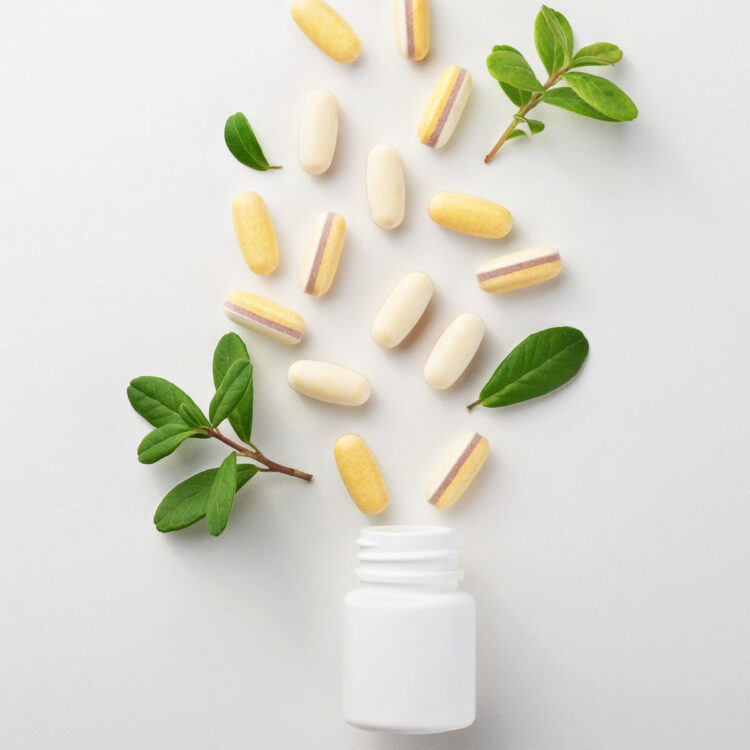
You can find vitamin D integrated into vegan multivitamins and as vegan vitamin D2 and vitamin D3 supplements. Some people may take a daily vegan multivitamin that supplies all the vitamin D. Talk to your health care provider about the best option for you.
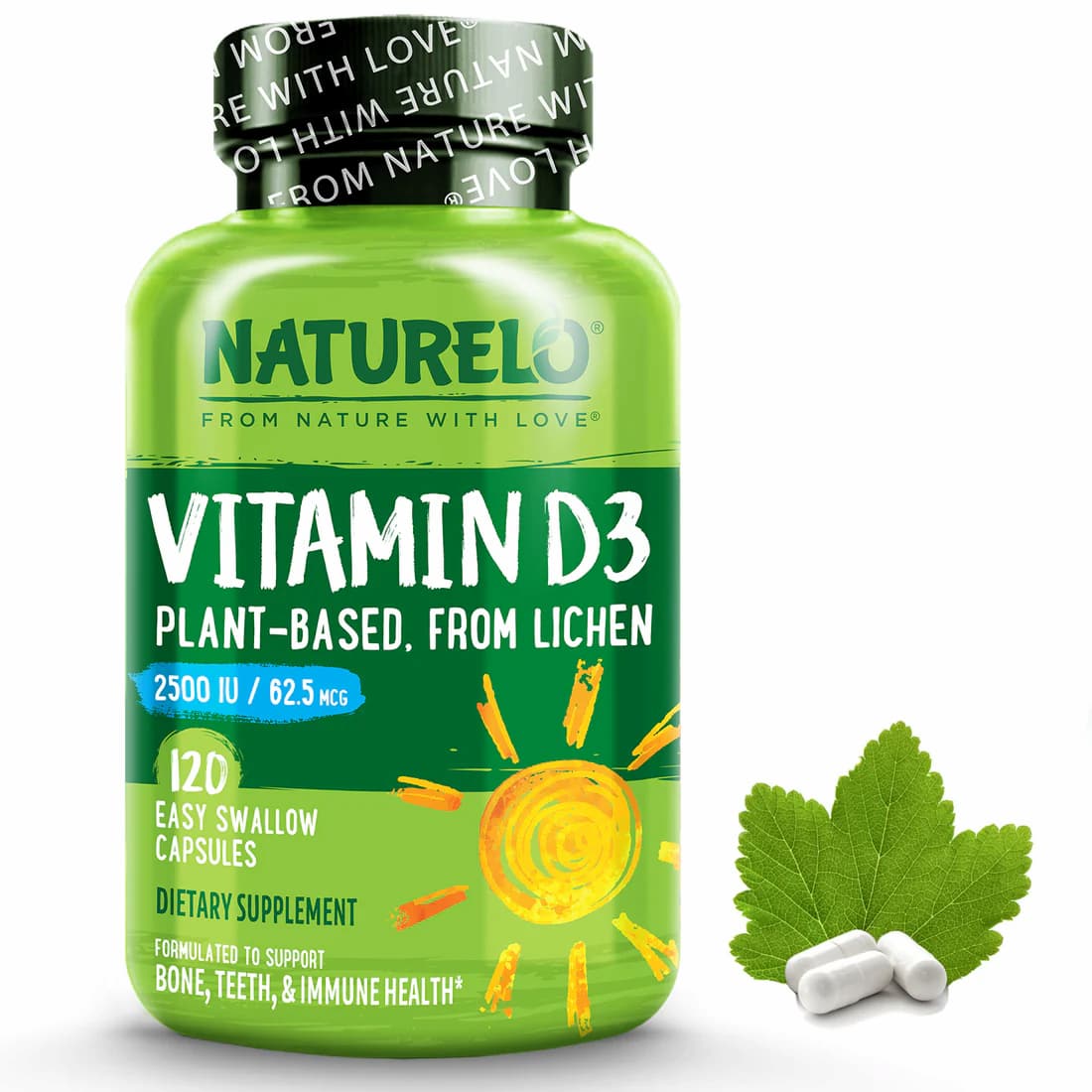
Naturelo
Naturelo is one option that offers premium quality vitamin D supplements that are completely vegan and made in the United States. Their plant-based vitamin D supplement is sourced from wild-harvested lichen. The supplement contains 2,500 IU vitamin D in one vegetable-based capsule (that are gelatin-free). (They also offer 800-1000 IU options.)
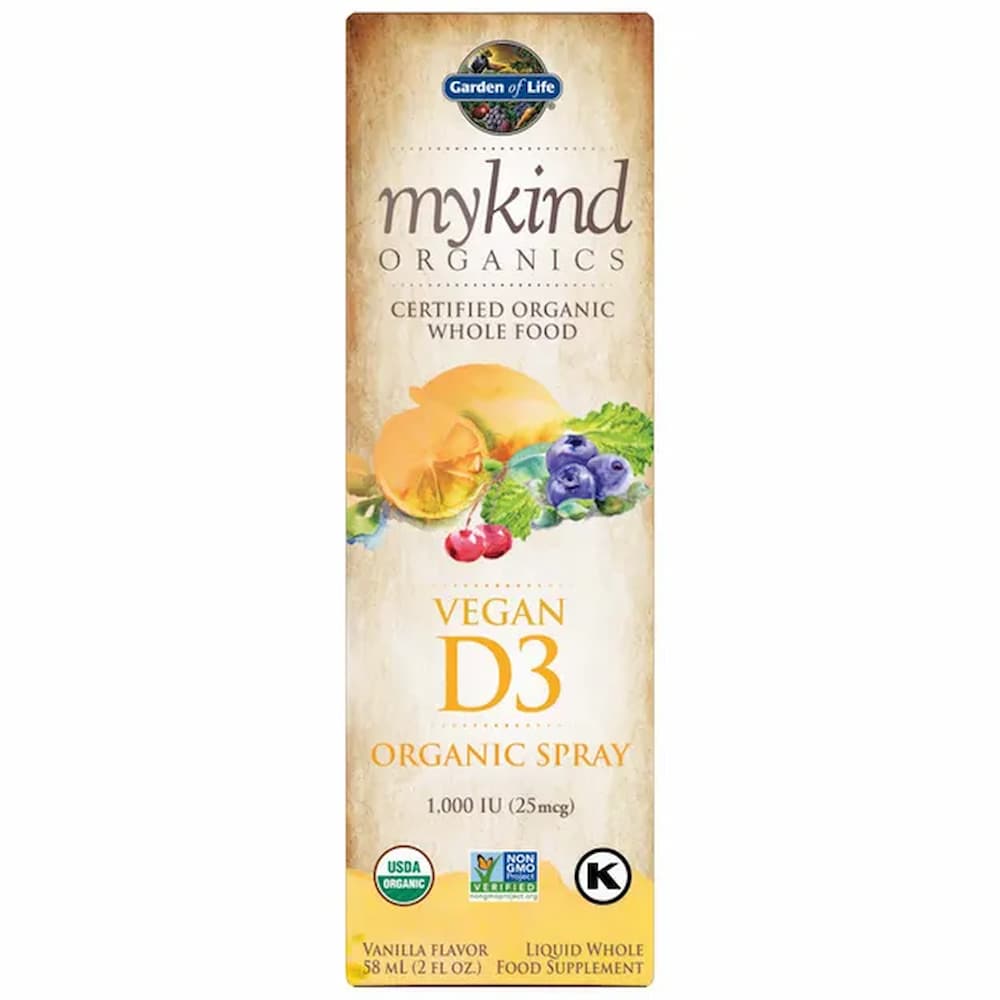
Garden of Life MyKind Organics
MyKind Organics makes a great option for those who don’t enjoy taking capsules and tablets. Instead, they’ve developed a spray that’s quick and easy and has a nice vanilla flavor. This spray offers 1000 IU per day—you can also mix it into smoothies or drinks, too!
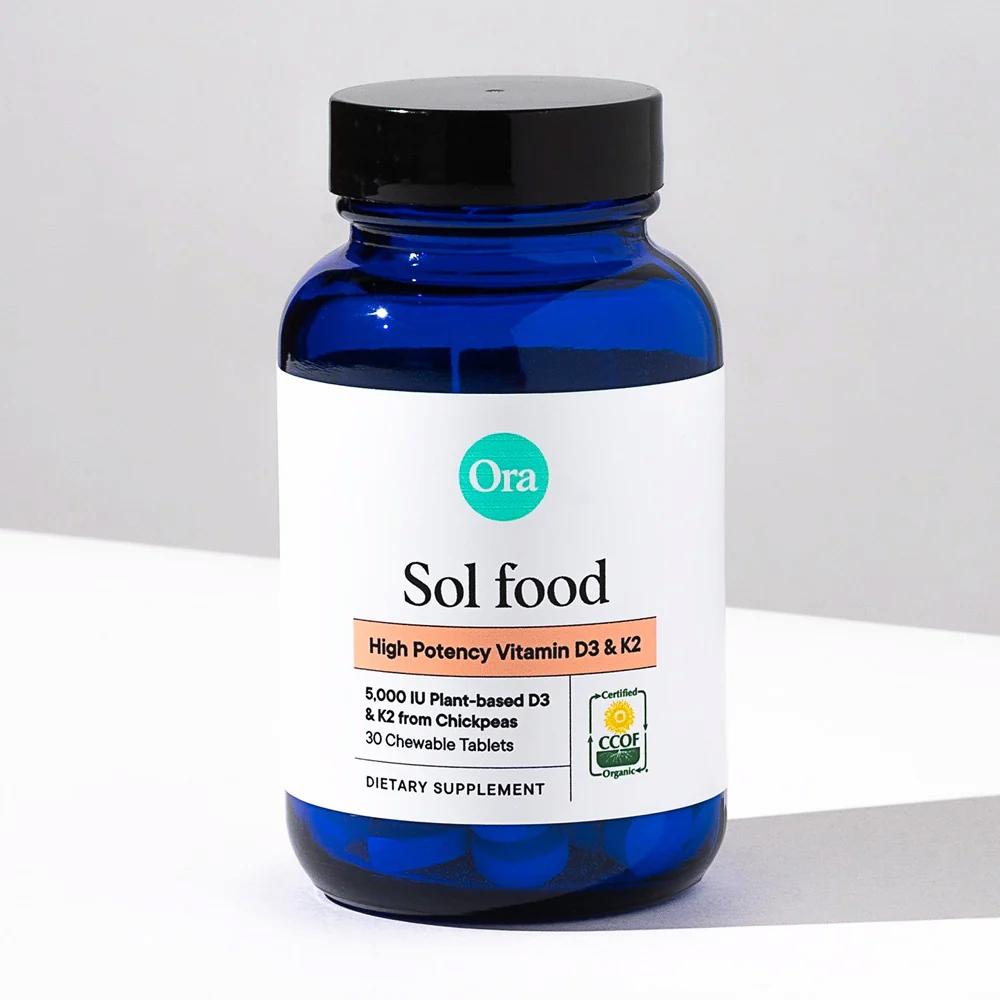
Ora
Ora’s Sol Food High Potency Vitamin D3 + K2 boasts 5,000 IUs per serving! It’s made from organic and vegan ingredients with no artificial fillers or flavors. These chewable tablets can be taken with or without food, though you’ll get higher absorption with food.
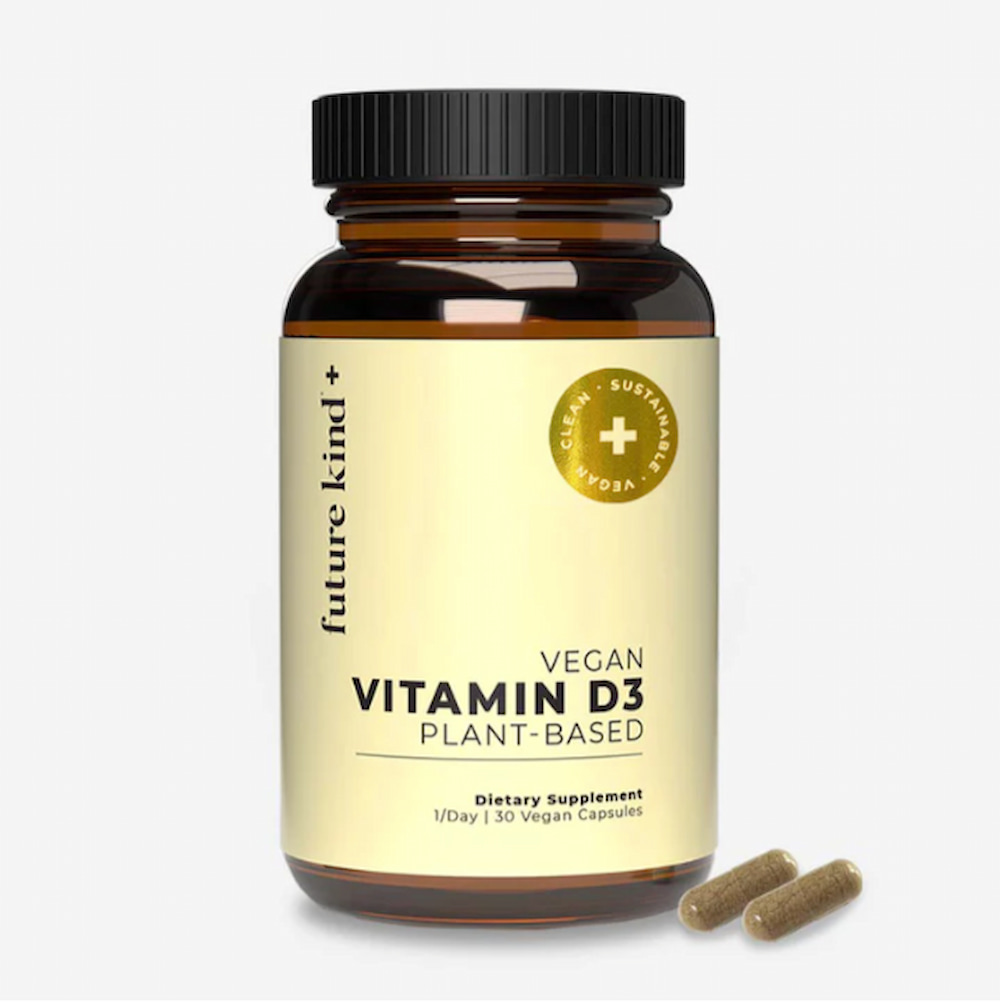
Future Kind
If you’re looking for an easy-to-swallow capsule, Future Kind has you covered! Each capsule has 2500 IU and is free of GMO’s, wheat, gluten, yeast, nuts, soy, sugar, salt, animal derivatives, artificial colors or preservatives. Plus, their packaging is eco-friendly and every order helps support animal sanctuaries!
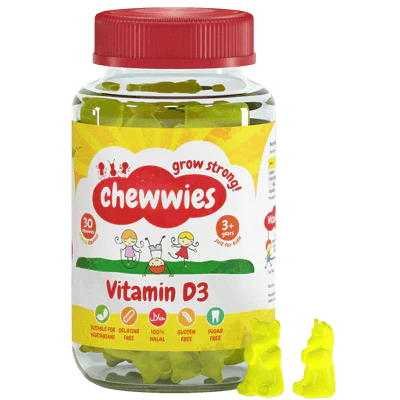
Chewwies
These delicious sugar-free vegan D3 vitamins are great for adults and children alike! They have a natural lemon flavor and are gelatin-free! One serving offers 400IU of vitamin D3.
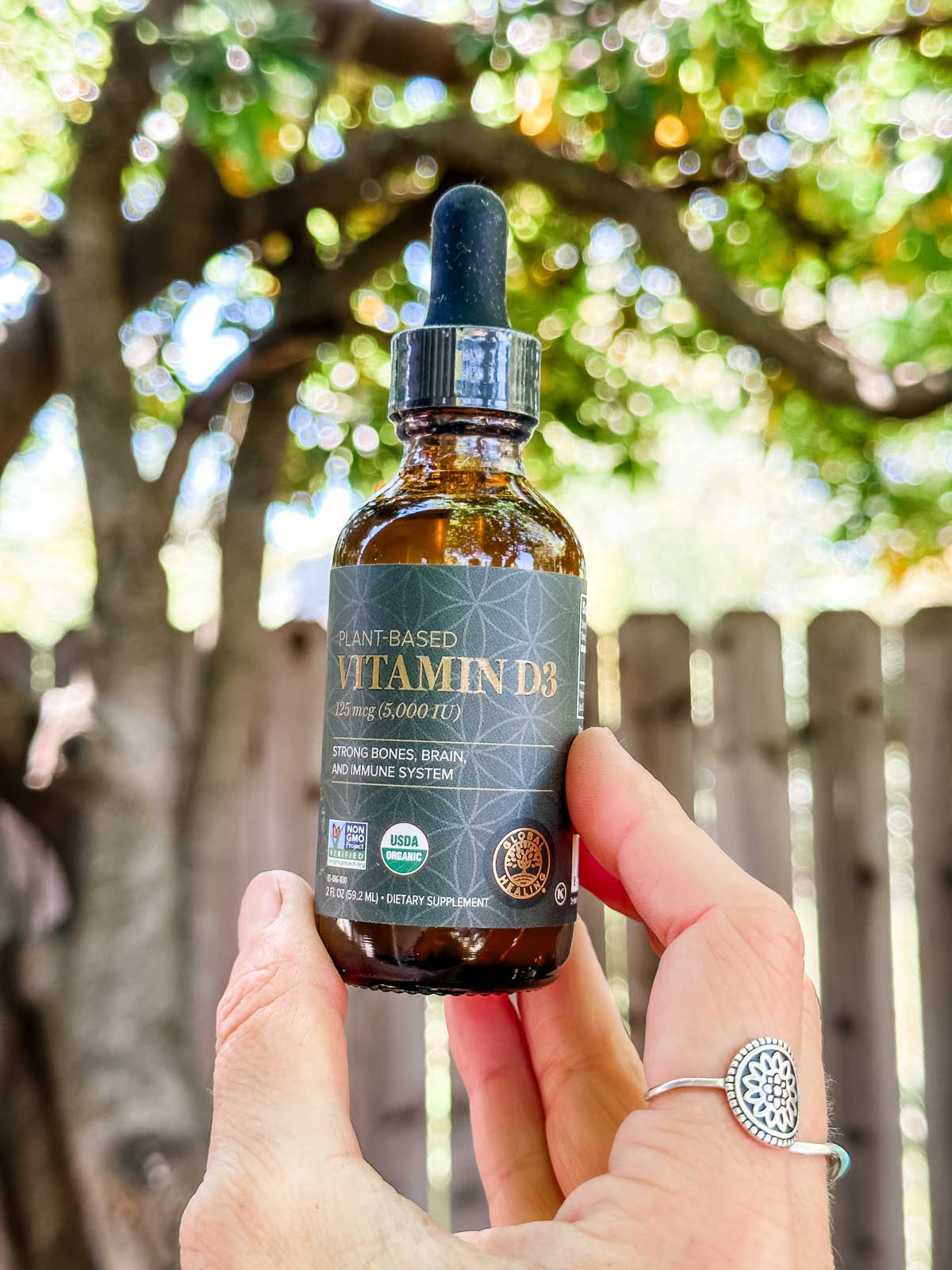
Global Healing
Global Healing Vitamin D3 supplement offers a plant-based, vegan-friendly option for maintaining optimal vitamin D levels. Derived from lichen, this supplement supports immune health, bone strength, and overall wellness without any animal-derived ingredients.
References
- Holick MF, Binkley NC, Bischoff-Ferrari HA et al. Evaluation, Treatment, and Prevention of Vitamin D Deficiency: an Endocrine Society Clinical Practice Guideline. J Clin Endocrinol Metab. 2011;96(7):1911-1930.
- How do I get the vitamin D my body needs? Vitamin D Council. Accessed March 19, 2019.
- Vitamin D Deficiency. MedlinePlus. NIH U.S. National Library of Medicine. Accessed March 18, 2019.
- Vitamin D Fact Sheet for Health Professionals. NIH Office of Dietary Supplements. Updated November 9, 2018. Accessed March 18, 2019.
Read More Vegan Nutrition Articles
Get More Guidance On Vegan Nutrition!

Hungry for more? Subscribe to the World of Vegan weekly newsletter and join our community of over 1 million plant-passionate peeps on Instagram (@Vegan), Facebook, Pinterest, and YouTube!
The information presented here is not to be construed as medical advice or used to diagnose, treat, cure or prevent any condition or disease.
You may also like...

Enter to Win Our Monthly Giveaway!
New winner every month! Drop your name below for a chance to win hundreds of dollars of vegan prizes from our brand partners. You’ll also receive our weekly e-newsletter with plant-based recipes galore!
Leave a Comment