










5 Vegan Protein Myths—Busted!


Do Vegans Get Enough Protein? (Quick Answer)
Vegans can easily meet their protein needs with a balanced plant-based diet. Beans, lentils, soy foods, grains, nuts, and seeds provide ample protein for adults, children, and athletes when enough calories and variety are consumed. This article debunks common vegan protein myths and explains what actually matters for getting enough protein on a plant-based diet.
Protein comes up fast when people talk about going vegan, and it often brings a lot of confusion with it. You’ve probably heard at least one comment about not getting enough protein from plants. These ideas get repeated so often that they start to sound true, even when they’re not. The truth is that protein isn’t rare or mysterious, and it shows up in many everyday plant foods.
From kids to athletes, protein questions tend to follow the same pattern. People worry that plant foods are missing something important or that they only work for certain lifestyles. In reality, protein needs are well understood, and plants can meet them in practical, familiar ways. Beans, lentils, tofu, grains, nuts, seeds, and vegetables all play a role.
Below, we break down five common vegan protein myths and explain what actually matters when it comes to getting enough protein on a plant-based diet.
Myth #1: Vegans Don’t Get Enough Protein
There is a medical condition known as kwashiorkor, which is an extreme protein deficiency. While potentially hundreds of thousands of people are affected, it is mostly seen in rural areas with endemic food insecurity or famine.
Kwashiorkor tends to affect people who are under extreme nutritional duress, such as those who are starving or who don’t have the means to give themselves regular, balanced meals.
While it is entirely possible to have inadequate protein intake as a vegan, it’s rather hard to do if you’re eating a balanced diet. To develop an extreme protein deficiency as a vegan living in a developed country and with a reasonable amount of access to healthy and affordable foods, you would have to follow a highly unbalanced diet.
Given that protein is abundant in the plant kingdom, most vegans should have little issue with consuming enough protein. According to vegan registered dietitian nutritionist, Ginny Messina, the rules for getting enough protein as a vegan are threefold.
3 Basic Rules For Getting Enough Protein
- Eat enough calories.
- Eat a variety of foods, including at least 3 servings of legumes per day (including soy products, beans, and lentils).
- Add another 2 servings of legumes daily if you’re cutting calories or over the age of 60.
Myth #2: Plants Don’t Contain Much Protein
It may come as a surprise, but plants are packed with protein. While animal sources are often touted as the primary sources of protein, the plant kingdom offers a diverse and abundant array of protein-rich foods! For instance,
- Cooked lentils contain 18 grams of protein per cup
- Cooked black beans provide over 15 grams of protein per cup
- Soy foods pack a punch of protein, too. Tempeh delivers a whopping 33 grams of protein per cup and tofu contains 20 grams of protein per cup!
While not all edible plants contain levels of protein as high as those of lentils and beans, even vegetables and grains contain some protein.
If you’re still a little worried about your protein intake, consider supplementing with plant-based protein powder and working with a vegan registered dietitian nutritionist!
Myth #3: Vegan Babies & Children Don’t Get Enough Protein
Just like with adults, if anyone (vegan or not) is not eating a balanced diet, they are at risk of nutritional deficiencies. But breast milk and soy-based infant formula can provide all the protein vegan infants need.
- As babies grow, they can start trying soft plant-based protein foods. Soft tofu, mashed beans, and mashed lentils are easy options. It’s always a good idea to talk with your child’s healthcare provider when starting solids.
- For toddlers ages 2 to 3, a small amount goes a long way. About 2 to 4 ounces of protein foods is plenty at this age. Many kids enjoy whole beans, cubed tofu, and nut butters.
- School-age kids and vegan teens have lots of protein choices. Beans, tofu, whole grains, nuts, nut butters, and vegan meats can all help meet their needs.
When you feed your child a reasonably well-balanced diet, protein deficiency is rare. If you ever feel unsure, check in with a healthcare provider or a registered dietitian nutritionist for extra support.
Myth #4: Athletes Won’t Get Enough Protein On A Vegan Diet
We don’t want to sound like a broken record, but we just have to say it again:
Most people won’t be protein-deprived if they follow a sensible, balanced vegan diet, whether they are children, athletes, or your average Joe.
- Athletes often raise more protein questions, especially for people thinking about going vegan. It’s true that athletes usually need more protein than non-athletes. The exact amount depends on the sport and training goals.
- More and more vegan athletes compete at the highest levels and do just fine. Examples include ultramarathoner Rich Roll, Matt Frazier of (No Meat Athlete, Olympic figure skater Meagan Duhamel, former NFL player David Carter, and tennis stars Venus and Serena Williams. We could go on and on…
- Plant proteins can be a little less digestible than animal proteins, but that’s easy to work around. Vegan athletes can simply eat a bit more protein overall or use plant-based protein While plant-based proteins may not be as digestible as animal-based ones, vegan athletes can counteract this by simply consuming more protein or taking plant-based protein supplements if needed.
- Getting all essential amino acids isn’t complicated. A balanced diet with a mix of whole grains and legumes like beans, lentils, and roasted green peas, plus enough calories, helps cover everything your body needs.
Bottom line, a little awareness is all it takes. With some simple planning and everyday plant foods, vegan athletes can fuel their bodies well and perform just fine.
Myth # 5: Plant-Sourced Protein Isn’t As Good As Animal-Sourced Protein
It’s true that many plant-based sources of protein are slightly less digestible than their animal-based counterparts. And it’s true that not all plant-based proteins contain enough of your essential amino acids. Check out quinoa (like in this quinoa salad bowl) if you’re looking for a healthy plant-based complete protein.
But if you’re eating a varied diet with enough calories, protein isn’t something you need to worry about. And, research shows getting your protein from plant-based sources is better for your overall health. This may be due to the low fat content, high fiber content, and vitamin, mineral, and phytonutrient content.
So rather than just thinking about food in terms of its protein, think about the whole package. Plant foods are loaded with nutrition that supports our health and wellness. Plus, they’re cholesterol-free!
While it’s not difficult to meet your protein requirements as a vegan, it does take a little planning and mindfulness. Especially if you’re a vegan athlete, raising a vegan family, or have a pre-existing health condition. But it’s worth it. And it may even save your life.
Now that we’ve popped some common vegan protein myths, take a look at these other common vegan questions!
Further Reading about Vegan Protein



This vegan protein myths article was reviewed by Taylor Wolfram, MS, RDN, LDN. Taylor is a vegan registered dietitian nutritionist who helps vegans and non-vegans alike embrace the benefits of colorful, plant-based nutrition.
You may also like...

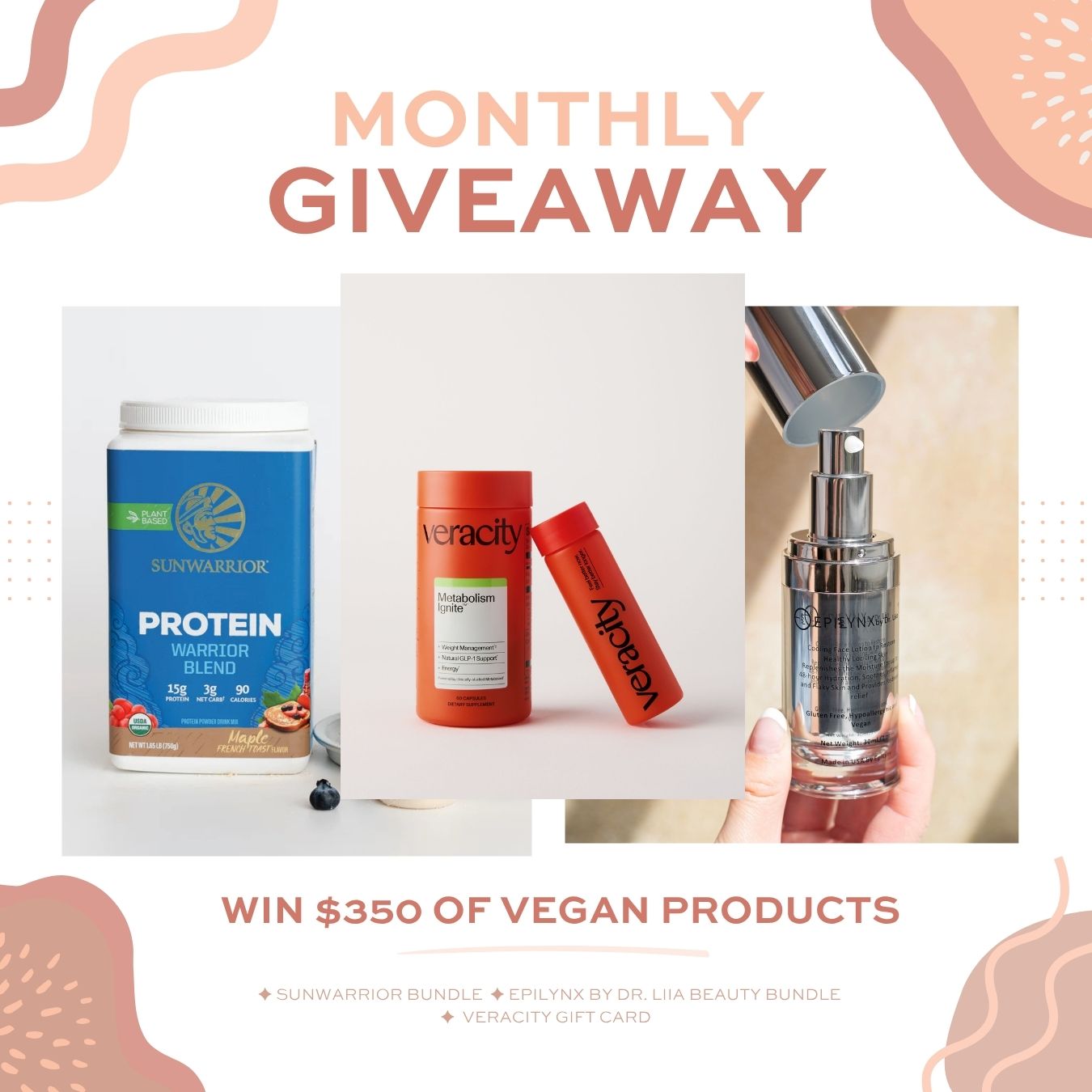
Enter to Win Our Monthly Giveaway!
New winner every month! Drop your name below for a chance to win hundreds of dollars of vegan prizes from our brand partners. You’ll also receive our weekly e-newsletter with plant-based recipes galore!
Leave a Comment
Switched to a Vegan diet 4 weeks ago to have a healthier life style. Never thought I could do it or would I like the food. Big surprise!
Don’t think I am ever going back.
Hi Charles, that’s amazing—congrats on making the switch! Sticking with it for 4 weeks is such a fantastic milestone and it only gets easier and more rewarding from here! If you ever need tips, recipe ideas, or support, we’re here for you!