



















The Hidden Environmental Cost of Dairy (And What You Can Do About It)

It’s no secret that our planet is under strain. From climate change to water scarcity, we’re constantly being encouraged to make more sustainable choices—take shorter showers, drive less, recycle more.
But one of the most powerful ways to reduce your environmental footprint doesn’t happen in your bathroom or your car.
It happens on your plate.
Even small shifts in what we eat—especially when it comes to dairy—can have an outsized impact on the health of our planet.
Let’s take a closer look at why.
The Water Footprint of Dairy
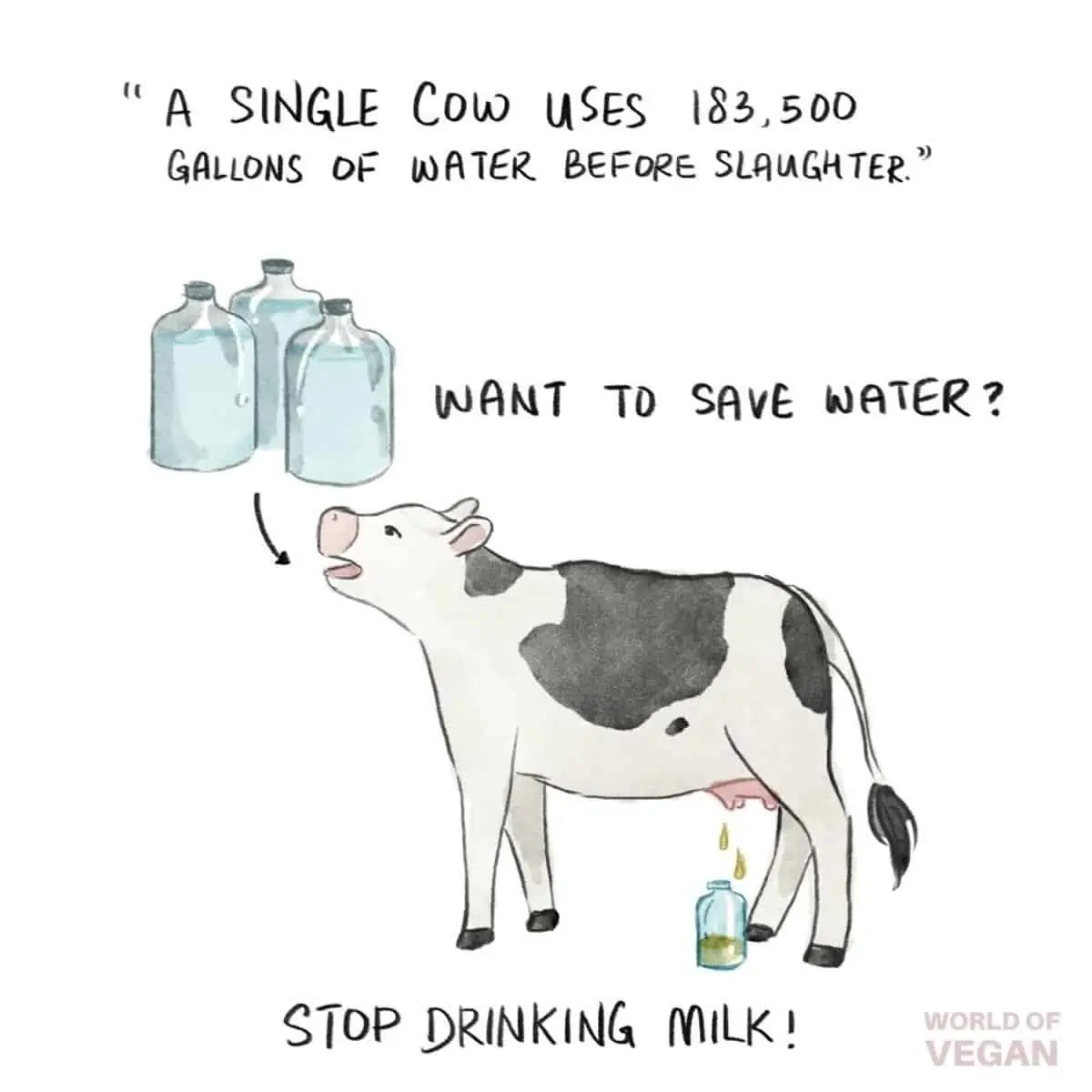
If you live in a place like California, water conservation is always top of mind. But what many people don’t realize is just how water-intensive dairy production is.
Producing a single gallon of cow’s milk can require up to 2,000 gallons of water when you account for everything involved—growing feed crops, hydrating animals, and processing.
To put that into perspective: skipping one gallon of milk can save as much water as dozens of showers.
Why so much? Because dairy doesn’t just involve the milk itself. It includes:
- Water to grow feed crops like alfalfa, corn, and soy
- Drinking water for cows (often 30–50 gallons per day per cow)
- Water used in cleaning and processing facilities
When we consume dairy, we’re essentially consuming all of that embedded water.
Chemical-Intensive Feed and Its Ripple Effects
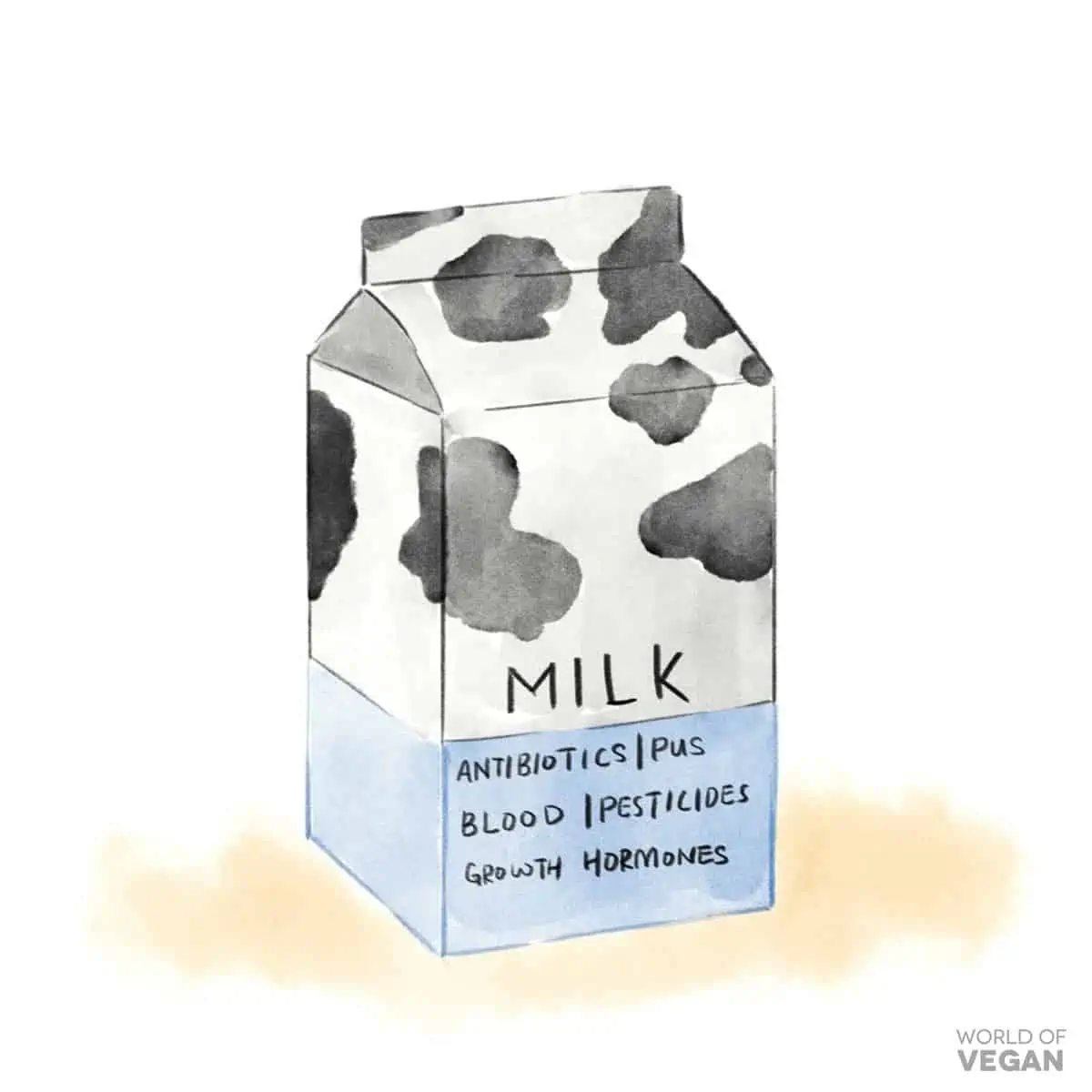
Most dairy cows are fed crops like corn, soy, and alfalfa—many of which are grown using pesticides and herbicides.
These chemicals don’t just stay on the farm. They:
- Run off into waterways
- Impact soil health
- Harm pollinators like bees and butterflies
- Affect farmworker health
And because these crops are fed to animals, their environmental impact is multiplied before they ever reach our plates.
Eating lower on the food chain—by consuming plants directly—can reduce that burden significantly.
Waste and Water Pollution
Dairy production generates an enormous amount of waste.
In the U.S., farmed animals produce far more waste than the entire human population combined—and unlike human waste, it’s often not treated through municipal systems.
Instead, it’s commonly stored in large open lagoons and later spread onto fields.
This can lead to:
- Air pollution (from ammonia and other gases)
- Contamination of groundwater and nearby rivers
- Health risks for surrounding communities
These impacts are often felt most strongly by nearby, lower-income communities—making this not just an environmental issue, but a social one as well.
Dairy and Climate Change
When we think about climate change, transportation often gets the spotlight. But food systems—especially animal agriculture—are a major contributor.
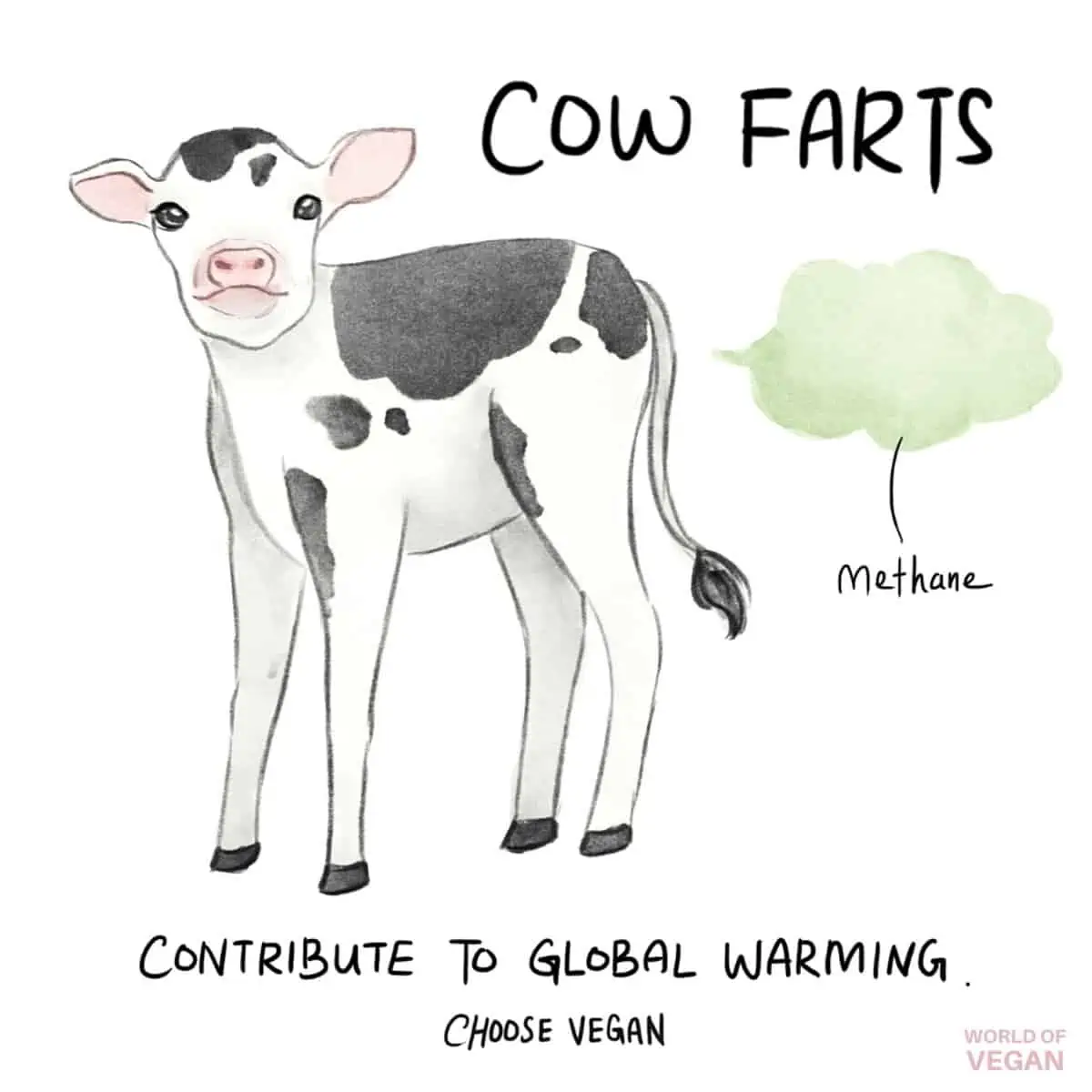
Cows produce methane, a greenhouse gas that is significantly more potent than carbon dioxide over the short term.
And it adds up quickly:
- Over a billion cows globally
- Continuous methane emissions from digestion and manure
- Additional emissions from feed production, land use, and transportation
Reducing dairy consumption is one of the most effective individual actions for lowering your food-related carbon footprint.
Land Use, Deforestation, and Biodiversity Loss
Dairy production doesn’t just affect water and air—it also reshapes land.
Vast areas of land are used to:
- Grow feed crops
- Provide grazing space
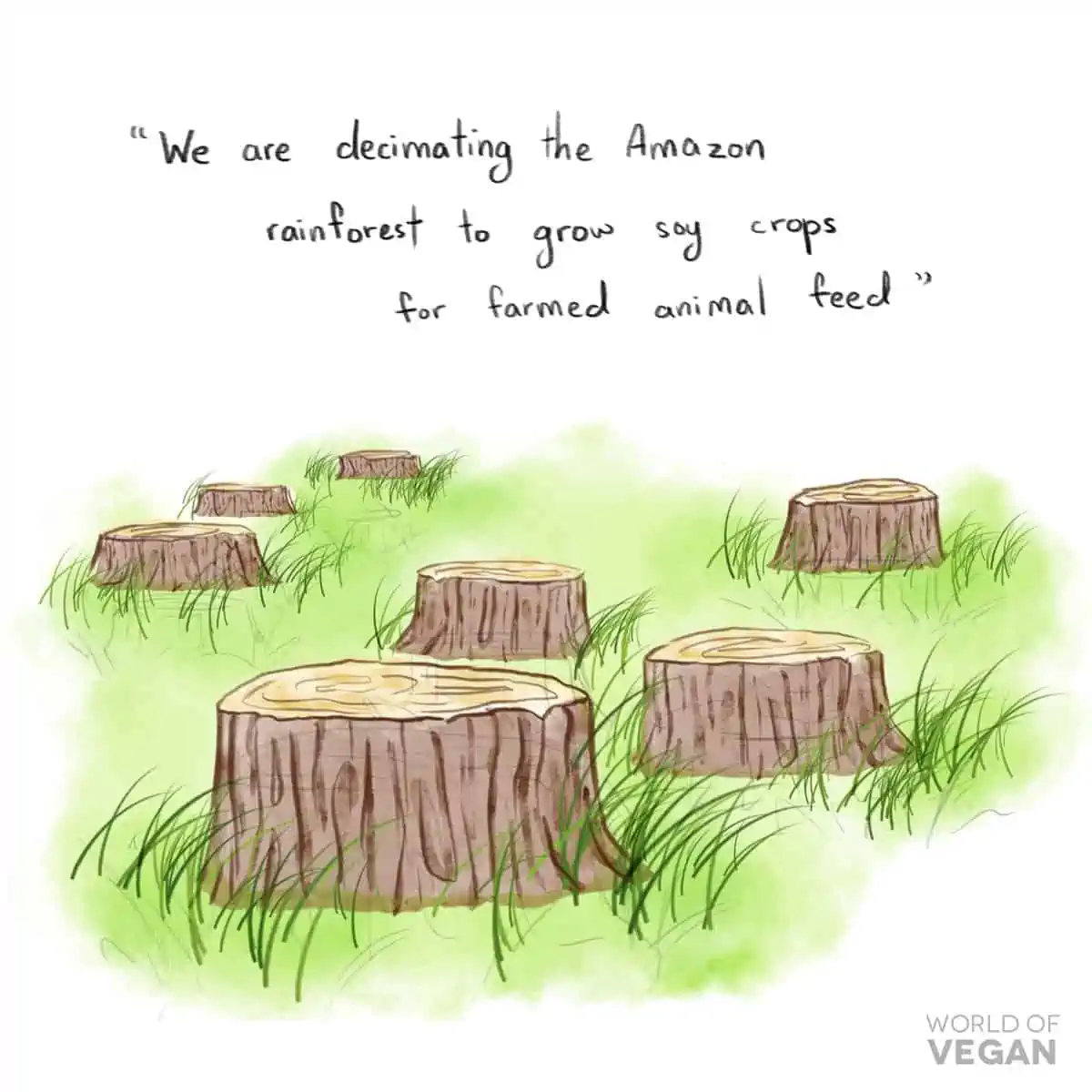
In some regions, this demand contributes to deforestation, including in critical ecosystems like the Amazon.
This leads to:
- Loss of wildlife habitats
- Declining biodiversity
- Disruption of ecosystems that help regulate our climate
When we shift toward plant-based foods, we require significantly less land to produce the same amount of nourishment.
A More Sustainable Way Forward
None of this is about perfection. It’s about awareness—and the opportunity to make choices that align with the kind of world we want to live in.
The good news? There has never been an easier time to explore alternatives.
Plant-based options today are:
- Widely available
- Delicious and satisfying
- Often more environmentally efficient
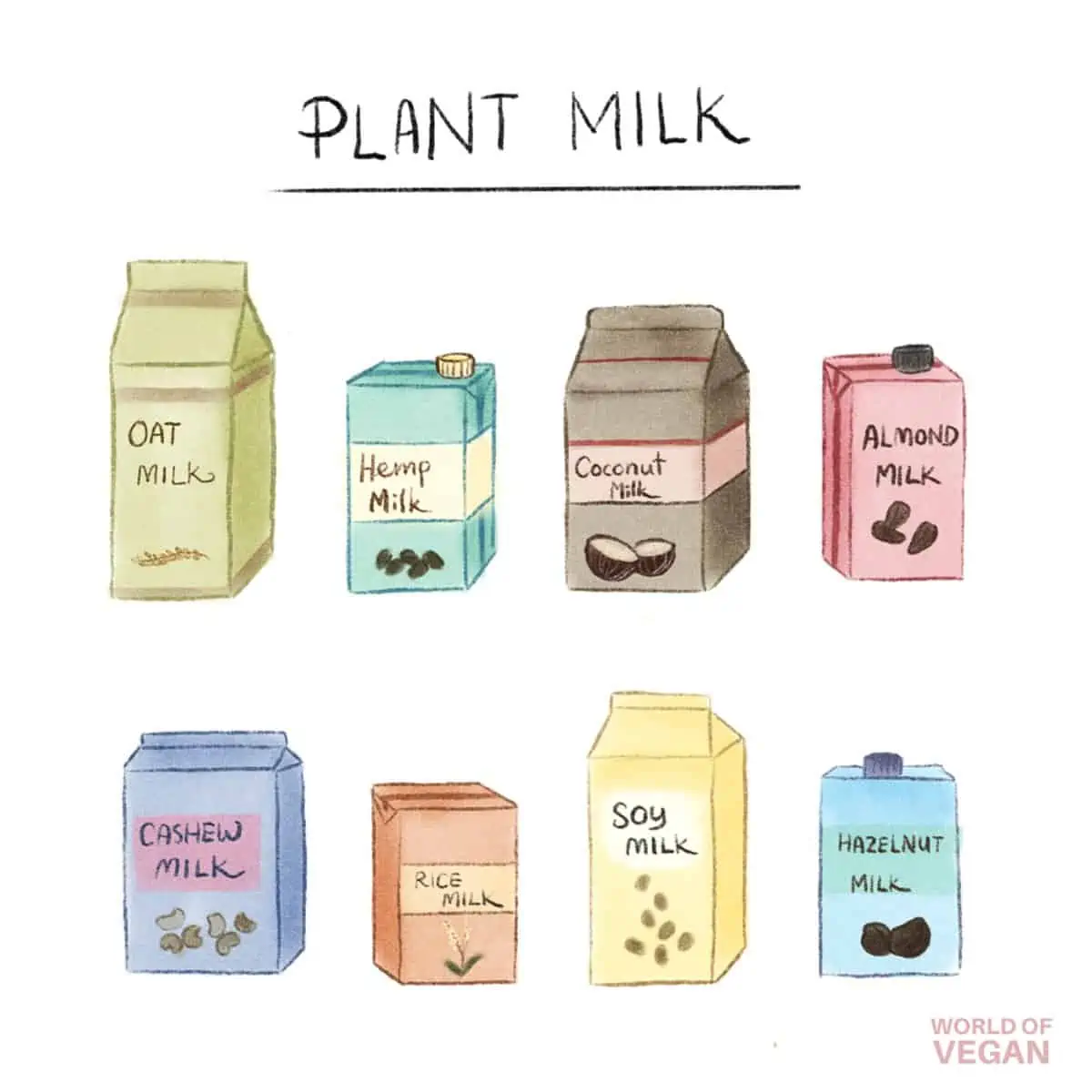
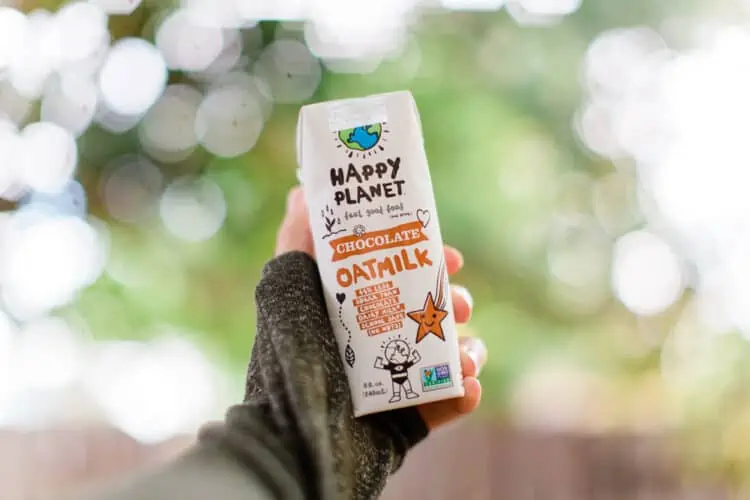
Whether it’s oat milk in your coffee, soy-based yogurt, or a creamy cashew sauce, small swaps can make a meaningful difference over time.

The Bottom Line
Our daily choices matter more than we often realize.
Choosing plant-based options—even occasionally—can help:
- Conserve water
- Reduce pollution
- Lower greenhouse gas emissions
- Protect ecosystems and wildlife
You don’t have to overhaul your life overnight. But each step—each meal—is a chance to move in a more sustainable direction.
And that’s something worth feeling good about.
Explore Dairy-Free Options
If you’re curious about making the shift, here are some easy places to start:
- Dairy-free milks (oat, almond, soy, cashew)
- Plant-based yogurts
- Vegan ice creams
- Dairy-free cream cheese, sour cream, and whipped toppings
There’s a whole world of options waiting—and it’s more accessible than ever.
You may also like...


Enter to Win Our Monthly Giveaway!
New winner every month! Drop your name below for a chance to win hundreds of dollars of vegan prizes from our brand partners. You’ll also receive our weekly e-newsletter with plant-based recipes galore!
Leave a Comment
So much is happening to the world because of dairy and more people need to hear the affects of it. Great article
So informative! With all the non-dairy options out there and vegans thriving, you’d think the dairy companies would just say sorry and make the switch!
Dairy is scary. I’ll point people to this information next time they ask what is wrong with dairy.
Knowing all of these factors really helps when I’m trying to make more eco-conscious decisions. Thank you so much for sharing this information!
This information is so eye opening!