














13 Vegan Cuisines From Around the World
Ask ten people to picture “vegan food,” and you’ll probably hear about veggie burgers, oat milk, and maybe a sad side salad. But take one step outside the meat-and-potatoes lens, and you’ll see it: entire cuisines built on plants long before “vegan” was ever a label. Think chickpea curries that have fed South India for centuries, or the tangy bite of injera soaking up Ethiopian stews. These aren’t imitations of meat. They’re dishes with their own logic and history, built on the simple fact that beans, grains, and vegetables are delicious when you know what to do with them.
That’s the point of looking at vegan cuisines—not as trendy swaps, but as cultural traditions that already work this way. Some traditions evolved from local customs and climate—soy and seaweed thriving in Japan, olives and tomatoes anchoring the Mediterranean, rice and lentils forming the backbone of South Asia. What ties them together is flavor, depth, and a way of eating that happens to line up beautifully with modern vegan choices.
Vegan Cuisines Guide
This guide pulls together more than a dozen of the world’s most delicious vegan cuisines. For each one, you’ll see the go-to dishes, the hidden pitfalls (hello, ghee and fish sauce), and the reason it works so well for plant-based eaters. It’s not exhaustive, but it’s a roadmap: where to lean in, what to double-check, and why these food traditions deserve more than a passing glance.
So whether you’re planning a trip, cooking at home, or just curious what “vegan cuisine” really means, here’s the short version: it’s been here all along. The fun part is choosing where to start.
Ethiopian
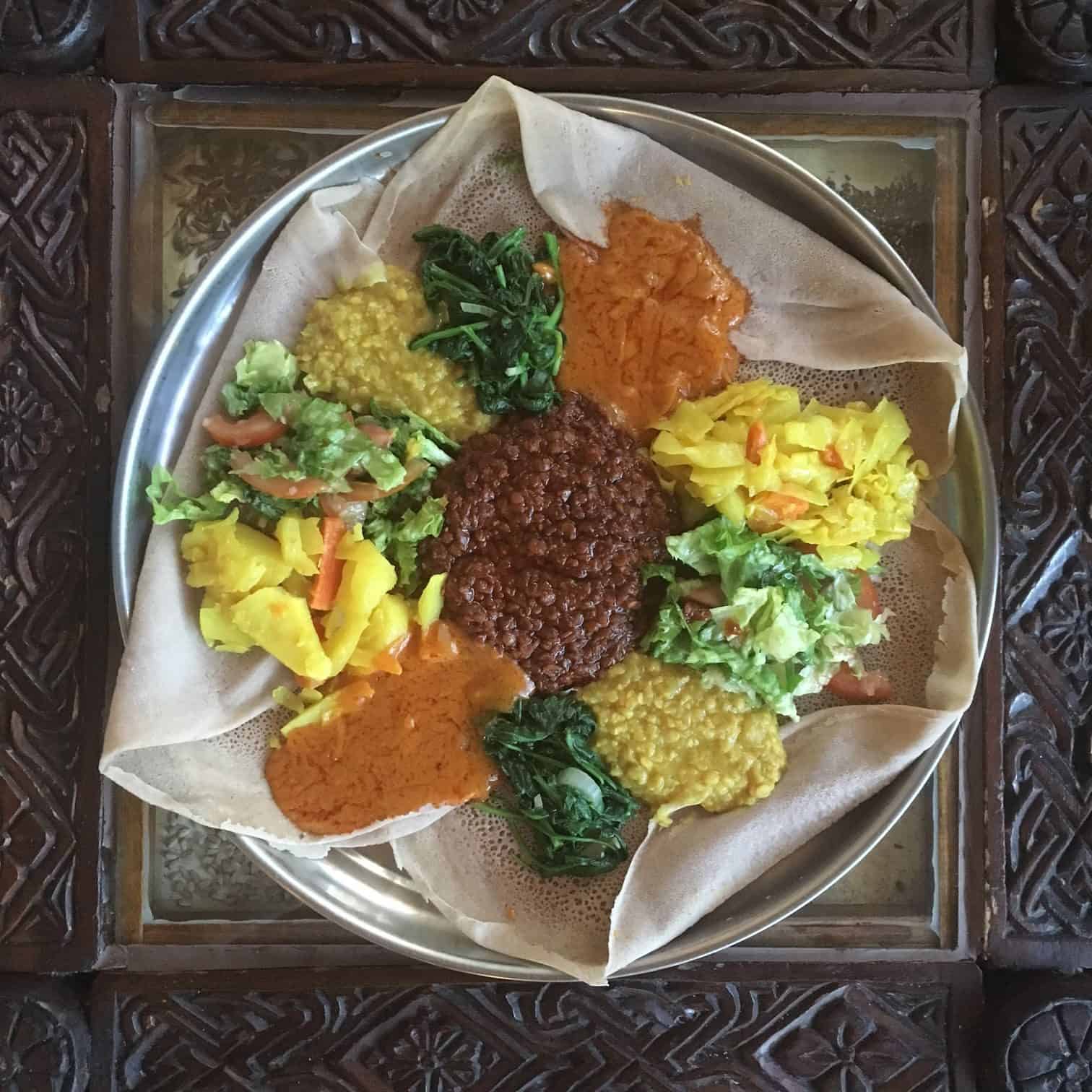
Walk into any Ethiopian restaurant and the table itself becomes part of the meal. A wide circle of spongy, slightly sour injera is spread out, and colorful stews—spiced lentils, slow-cooked greens, split peas—are spooned over the top. Instead of forks, you tear pieces of injera and scoop everything up. It’s hearty, communal, and one of the most naturally vegan cuisines in the world.
Here’s what to order:
- Misir wot: Red lentils simmered with berbere, a chili-and-spice blend that brings real heat.
- Atkilt wot: Cabbage, carrots, and potatoes cooked until soft and lightly spiced.
- Yetsom beyaynetu: A sampler platter of multiple stews and salads, usually served over layers of injera.
Here’s what to double-check:
- Some restaurants cook with butter (niter kibbeh) instead of oil—ask for the plant-based version.
- A few menus mix in meat dishes like tibs. Stick with the vegetarian platters for the full spread.
Why it works for vegans:
Ethiopian cooking leans on lentils, beans, and vegetables by default, with injera doubling as both starch and utensil. It’s a cuisine where plant-based eating feels like the rule, not the exception.
South Indian
If you’ve only had the heavy, cream-based curries of North Indian restaurants, South Indian food feels like a revelation. The flavors lean bright and tangy, with fermented batters, coconut milk, curry leaves, and plenty of heat. Breakfast might be a crisp dosa the size of your arm, filled with spiced potatoes, served alongside chutneys and sambar. Meals are often lighter, sharper, and—lucky for us—more naturally plant-based.
Here’s what to order:
- Masala dosa: A golden, paper-thin crepe made from rice and lentils, stuffed with spiced potatoes.
- Idli with sambar: Fluffy, steamed rice cakes dunked in a lentil-and-tamarind broth.
- Vegetable kurma: Mixed vegetables in a coconut-based sauce, fragrant with cinnamon and cardamom.
Here’s what to double-check:
- Ghee (clarified butter) is common in cooking—ask if dishes can be prepared with oil.
- Paneer (cheese) sneaks into curries on North Indian–leaning menus.
- Yogurt-based chutneys or raitas—look for coconut chutneys instead.
Why it works for vegans:
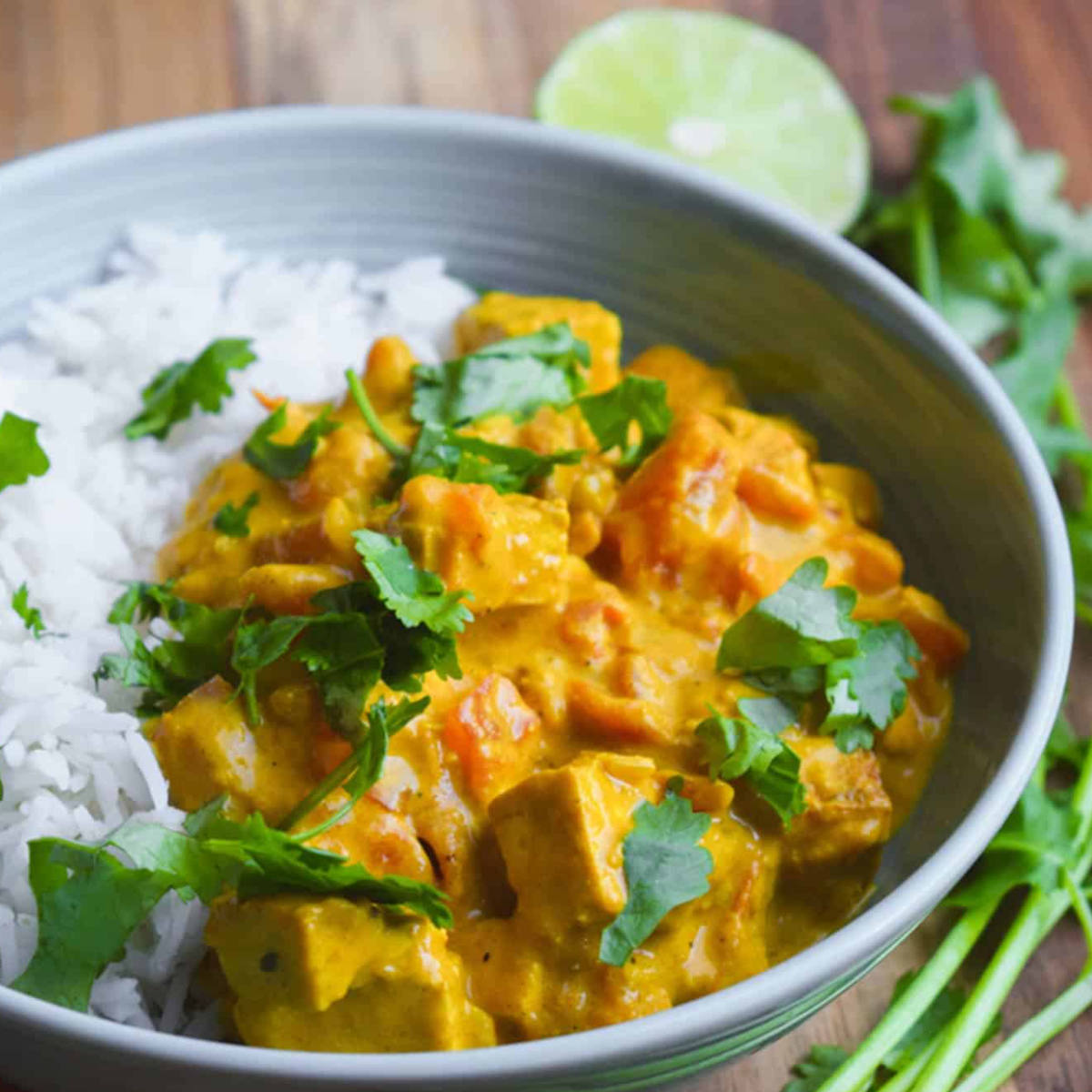
South Indian cooking leans on rice, lentils, and coconut as staples, with fermentation giving dosas and idlis their tang. Many dishes are vegan by design, and with a quick ask about ghee or yogurt, you’ll find the menus wide open.
Greek
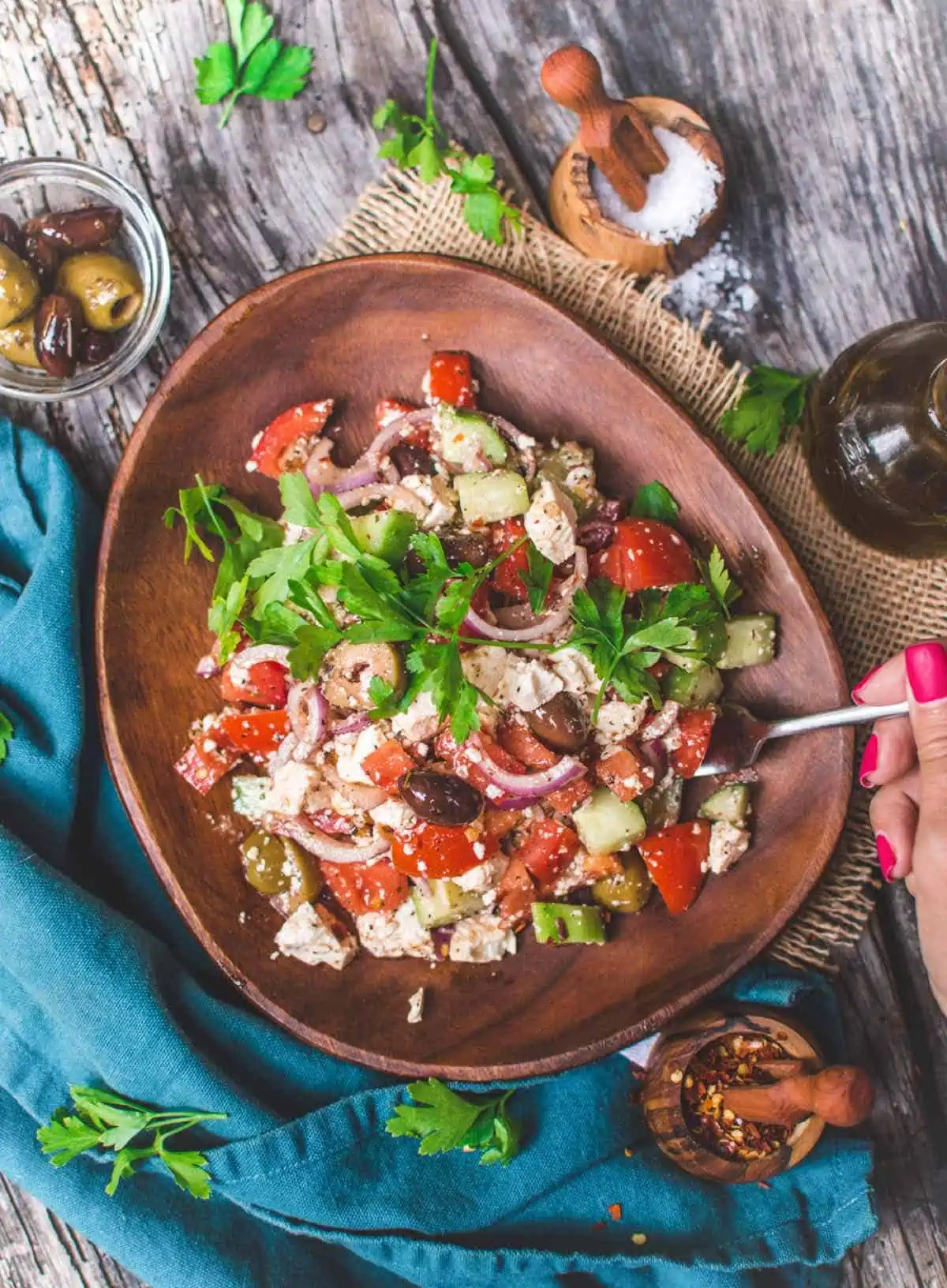
Greek food is often remembered for feta-topped salads and grilled meats like souvlaki, but the real backbone of the cuisine is vegetables cooked with olive oil, herbs, and grains. The tradition of ladera (literally “oily foods”) is a whole category of plant-based dishes simmered in tomatoes and olive oil until tender. Add in garlicky dips, lemony beans, and stuffed vegetables, and you’ve got a cuisine that quietly leans vegan without trying.
Here’s what to order:
- Gemista: Tomatoes or peppers stuffed with herbed rice and baked until soft and saucy.
- Gigantes plaki: Giant beans stewed in tomato and olive oil.
- Skordalia: A garlicky potato dip, thick and bold, served with bread or vegetables.
Here’s what to double-check:
- Feta shows up everywhere, from salads to stuffed dishes—ask for it to be left off.
- Yogurt-based dips like tzatziki are common; stick with bean or potato spreads.
- Honey occasionally sneaks into desserts—opt for fruit or nut-based sweets instead.
Why it works for vegans:
The Mediterranean climate and Orthodox traditions shaped a cuisine where beans, grains, and vegetables are already central. Greek cooking shows how olive oil, herbs, and slow simmering can turn the simplest produce into a full meal.
Middle Eastern / Levantine
When most people picture Middle Eastern food, kebabs and shawarma come to mind. But in home kitchens across Lebanon, Syria, Jordan, and beyond, the everyday table is built on legumes, grains, and vegetables. The meze tradition—small plates meant to share—puts vegan staples front and center: chickpeas mashed into hummus, eggplant roasted into smoky baba ganoush, parsley chopped into bright tabbouleh. It’s food designed to be scooped with bread, shared across the table, and satisfying without meat ever showing up.
Here’s what to order:
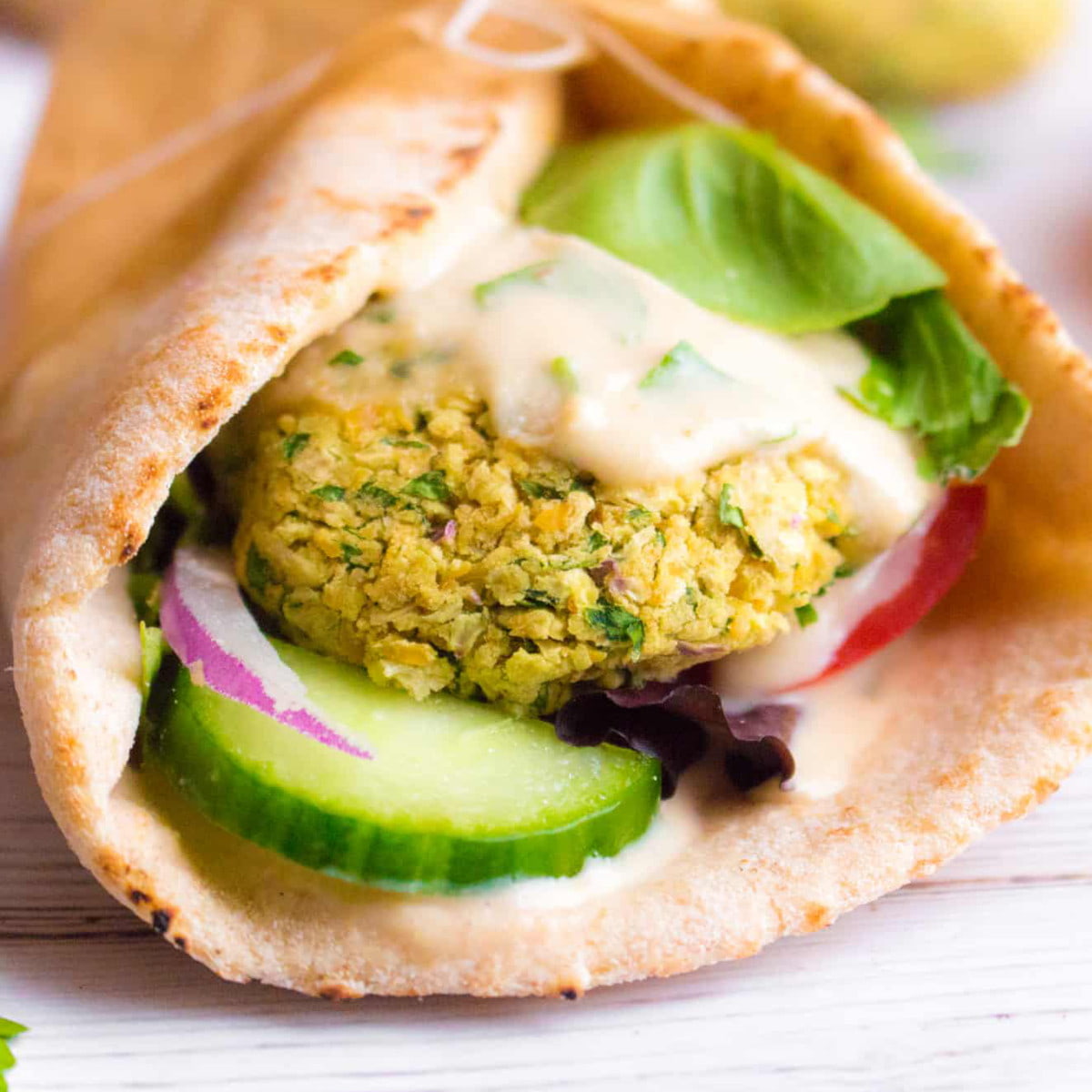
- Falafel: Crisp chickpea fritters, often tucked into pita with vegetables and tahini.
- Hummus: Creamy, garlicky, and sesame-rich; the classic dip.
- Tabbouleh: Parsley-heavy salad with tomato, bulgur, and lemon.
Here’s what to double-check:
- Yogurt-based dips like labneh and sauces (labneh, khyar bi laban/cucumber-yogurt); stick with tahini or olive oil dressings.
- Some versions of baba ganoush include yogurt; ask for the straight eggplant-and-tahini style.
- Pita is usually vegan; if house-made, a quick check doesn’t hurt.
Why it works for vegans:
The Levantine pantry is already built on chickpeas, lentils, bulgur, and vegetables. Meat dishes exist, but the heart of the cuisine is meze: generous spreads of dips, breads, and salads that are plant-forward by nature.
Italian (South)
Americanized Italian food leans heavy on cheese and cured meats, but head south in Italy—Campania, Basilicata, Sicily—and the cooking looks very different. Here it’s olive oil, tomatoes, beans, and eggplant doing the heavy lifting. Dishes are simple but deeply flavored, built on produce and pantry staples rather than dairy. A plate of bruschetta with ripe tomatoes and garlic, or a sweet-and-sour eggplant caponata, shows just how satisfying Italian food can be without a shred of cheese.
Here’s what to order:
- Caponata: Eggplant, capers, and vegetables in a tangy, slightly sweet sauce.
- Pasta all’arrabbiata: Pasta tossed in a fiery tomato-chili sauce.
- Bruschetta al pomodoro: Toasted bread rubbed with garlic, topped with tomatoes and olive oil.
Here’s what to double-check:
- Parmesan or pecorino—sprinkled by default on pastas, but easy to skip.
- Anchovies in sauces like puttanesca; grated cheeses (parmigiano/pecorino) added by default.
- Bread brushed with butter—uncommon, but worth confirming.
Why it works for vegans:
Southern Italian cooking grew out of scarcity and abundance: beans and vegetables stretched meals, olive oil carried flavor, and grains were the anchor. It’s proof that vegan cuisines can be rustic, vibrant, and deeply satisfying—no dairy required.

Japanese (Shōjin Ryōri)
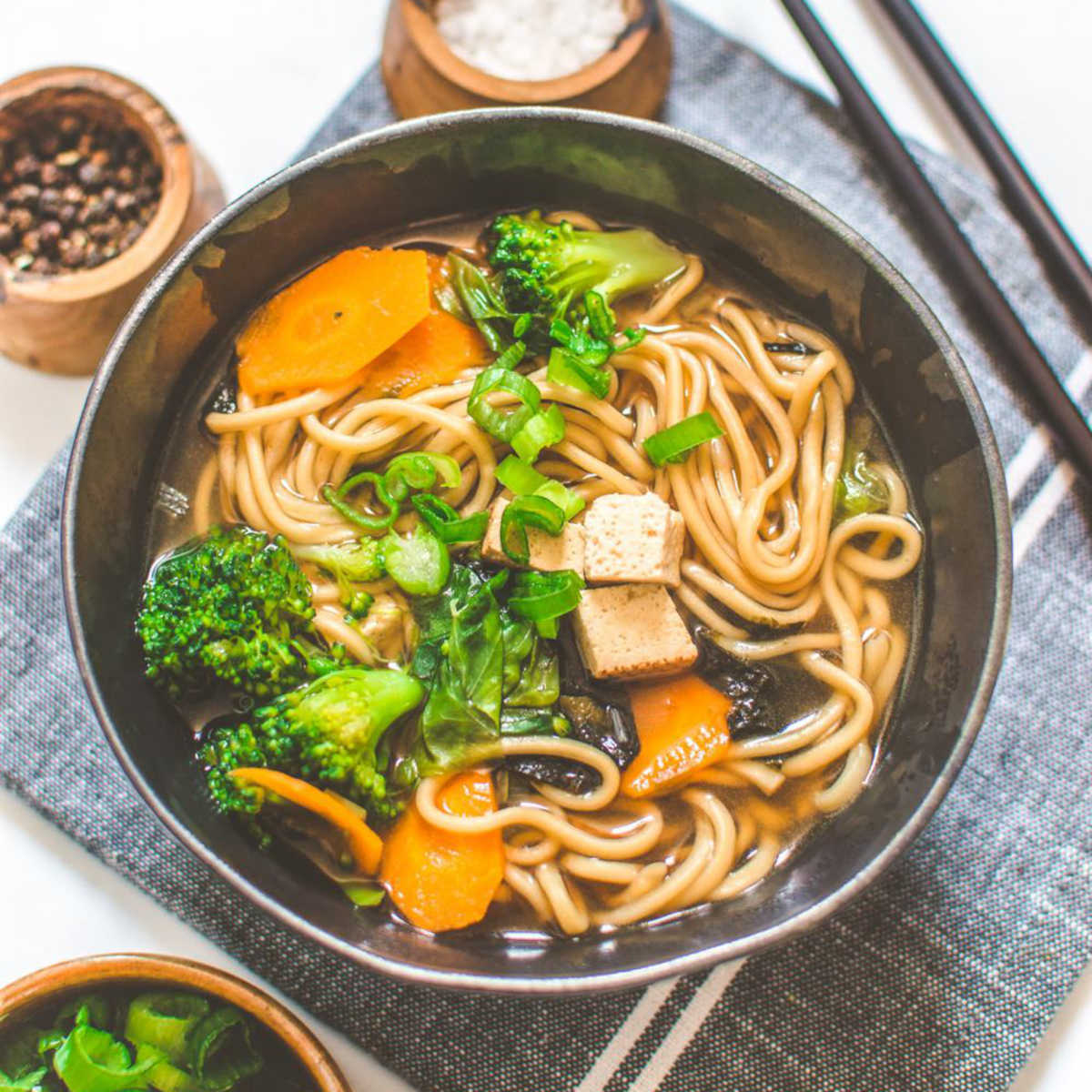
Japan is famous for sushi and ramen, but tucked within its food culture is shōjin ryōri—the Buddhist temple cuisine that strips meat and fish away and celebrates vegetables, tofu, and seaweed. Meals are balanced and deliberate: a bowl of rice, a clear broth with seasonal vegetables, pickles, and tofu prepared a dozen different ways. This is one of the vegan cuisines where the flavors lean clean and subtle, more about texture, umami, and harmony than spice or richness. It’s a cuisine that shows how plant-based cooking can feel both austere and deeply comforting.
Here’s what to order:
- Agedashi tofu (ask for vegan dashi): Lightly fried tofu in a savory broth.
- Vegetable tempura: Battered and fried vegetables, often served with dipping sauce.
- Seasonal vegetable miso soup: Miso paste, mushrooms, and greens in a broth.
Here’s what to double-check:
- Dashi (soup stock) is almost always made with bonito flakes—ask for kombu-based versions.
- Some tempura batters include egg; confirm before ordering.
- Noodle broths (ramen, udon, soba) often use fish stock unless marked vegetarian.
Why it works for vegans:
Japanese Buddhist traditions created entire menus without meat or fish, proving that tofu, seaweed, mushrooms, and seasonal vegetables can stand on their own. Even outside temples, many dishes can be adapted with a quick ask about dashi or egg.
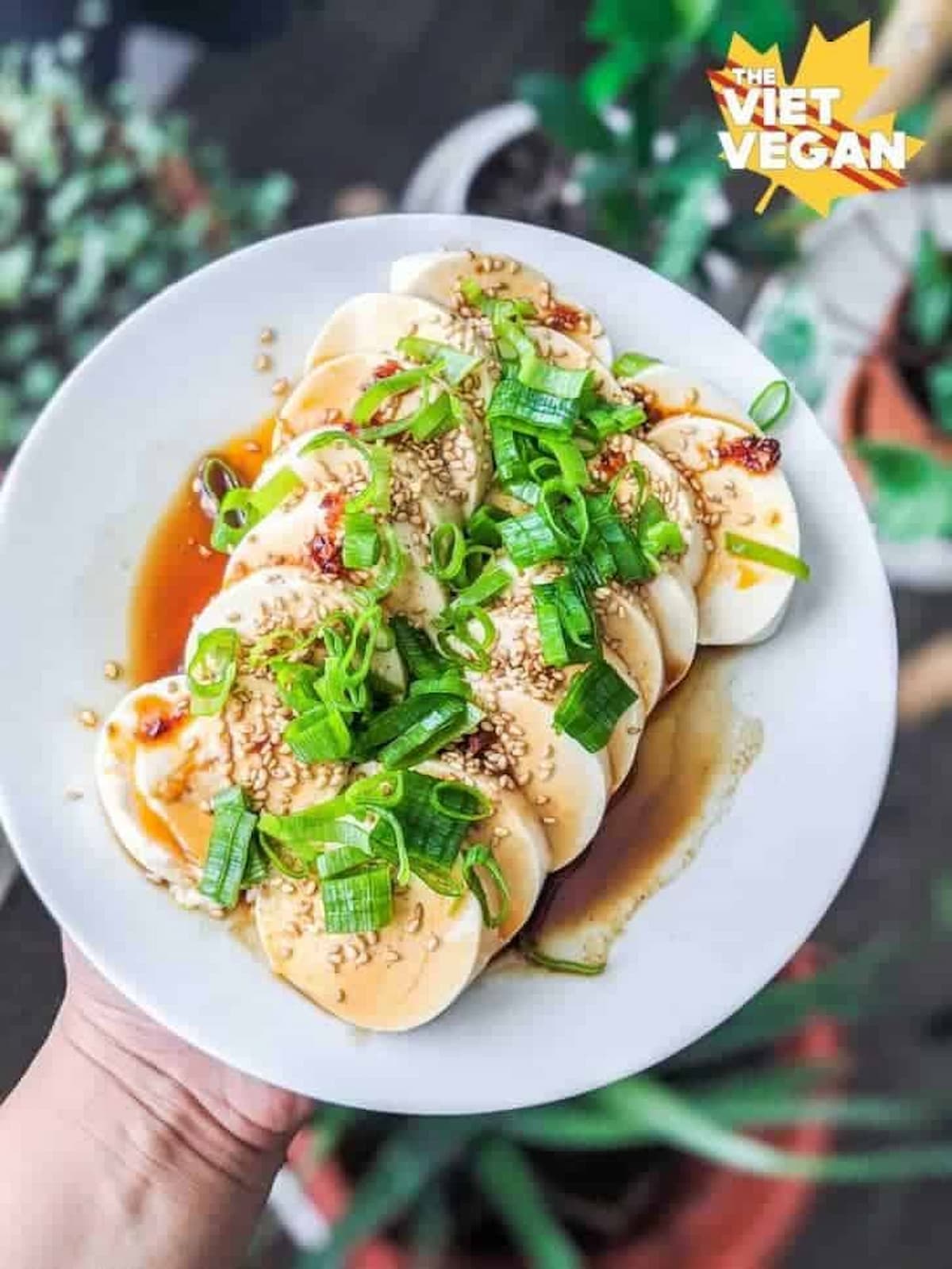
Vietnamese
Vietnamese cooking is light, herb-driven, and full of texture. Bowls of rice noodles come topped with fresh mint, basil, and bean sprouts; bánh mì sandwiches balance crisp bread with pickled vegetables and chili heat. There’s a Buddhist vegetarian tradition that runs deep, which means you’ll often see chay (vegetarian) versions of classic dishes. This is one of the vegan cuisines with food that feels bright and layered—sweet, sour, salty, and umami all happening in the same bite.
Here’s what to order:
- Bánh mì chay: A baguette sandwich with tofu or vegetables, packed with pickled carrot, daikon, cucumber, herbs, and chili.
- Phở chay: Rice noodle soup with vegetable broth, tofu, mushrooms, and loads of fresh herbs.
- Gỏi cuốn (fresh spring rolls): Rice paper rolls filled with vegetables, tofu, and herbs, usually served with peanut sauce.
Here’s what to double-check:
- Fish sauce (nước mắm) shows up in broths and dips; ask for soy/mushroom-based versions.
- Pâté or mayonnaise in bánh mì; look for clearly marked chay options.
- Broths for phở are often beef-based unless specified vegetarian.
Why it works for vegans:
With rice, noodles, vegetables, and herbs at the center, Vietnamese food is already plant-focused. The Buddhist chay tradition ensures there are vegan versions of almost every dish—you just need to know how to ask.
Mexican (Oaxaca and Beyond)
Mexican cooking is built on corn, beans, chilies, and vegetables—ingredients that have always been plant-based at the core. Walk through a market in Oaxaca and you’ll see stacks of fresh tortillas, nopales (cactus paddles), black beans simmering, and bowls of salsas ranging from smoky to blisteringly hot. While modern menus often lean on cheese and meat, the foundation of the cuisine is vibrant, layered, and endlessly adaptable for vegans.
Here’s what to order:
- Tlayudas: Giant crisp tortillas topped with beans, lettuce, avocado, and salsa; often called “Oaxacan pizza.”
- Nopales tacos: Cactus paddles grilled or sautéed, tucked into warm tortillas.
- Frijoles de la olla: Simple, slow-cooked beans flavored with onion and herbs.
Here’s what to double-check:
- Lard in flour tortillas, tamales, or refried beans—many places use oil, but always ask. Corn tortillas are usually just masa and water.
- Cheese or sour cream—frequently added to tacos, enchiladas, or garnishes.
- Broths—soups like pozole or menudo are meat-based unless marked vegetarian.
Why it works for vegans:
Corn and beans form the backbone of Mexican cuisine, with vegetables and chilies doing the heavy lifting on flavor. Skip the lard and dairy, and you’ll find a huge range of dishes that are naturally satisfying and vegan-friendly.

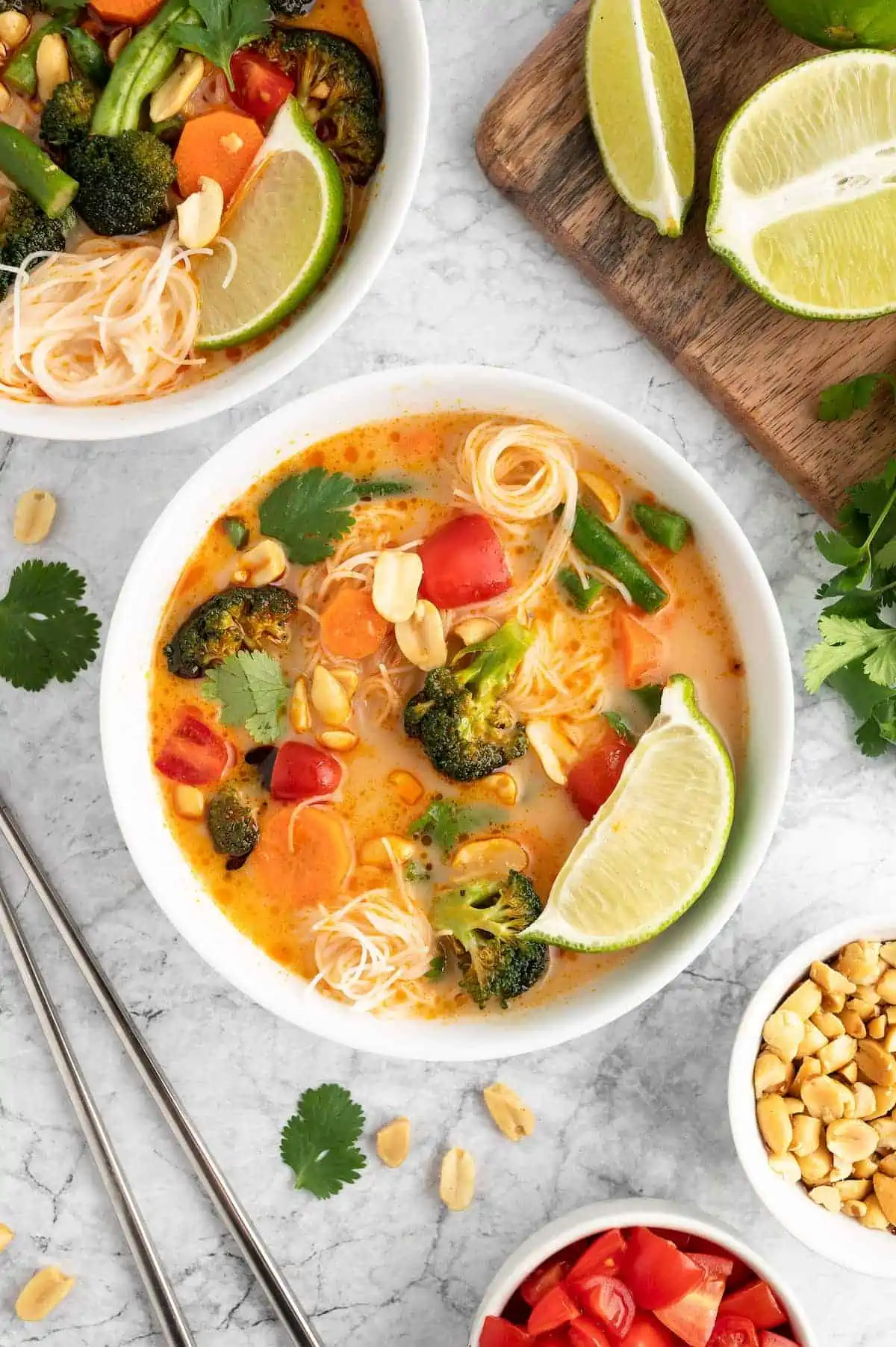
Thai (North & Isan)
Thai food is one of the vegan cuisines that’s famous for its balance of sweet, sour, salty, and spicy—but not all regions cook the same way. In the north and northeast (Isan), meals lean fresh and fiery, with green papaya salads, sticky rice, and herb-packed dips served alongside vegetables. Coconut milk appears in some regional curries (especially in the north), while Isan leans more on fresh salads, dips, and grilled items. The flavors are bold but clean, with a natural plant-friendly edge if you know what to ask for.
Here’s what to order:
- Som tam (green papaya salad): Shredded papaya, tomato, chilies, and lime; fresh and spicy.
- Gaeng kari pak (vegetable yellow curry): A coconut-based curry with potatoes, carrots, and onions.
- Sticky rice with mango: A classic dessert that’s naturally dairy-free.
Here’s what to double-check:
- Fish sauce: It’s a default seasoning in salads, stir-fries, and dipping sauces. Ask for soy sauce or lime instead.
- Shrimp paste: Often blended into curry pastes; some places use a vegan version.
- Egg: Sometimes added to fried rice or noodle dishes; confirm before ordering.
Why it works for vegans:
Thai cooking builds layers of flavor with herbs, chilies, lime, and coconut milk, not just animal-based seasonings. With a quick request to skip fish sauce or shrimp paste, the cuisine opens wide to plant-based eaters.
Lebanese
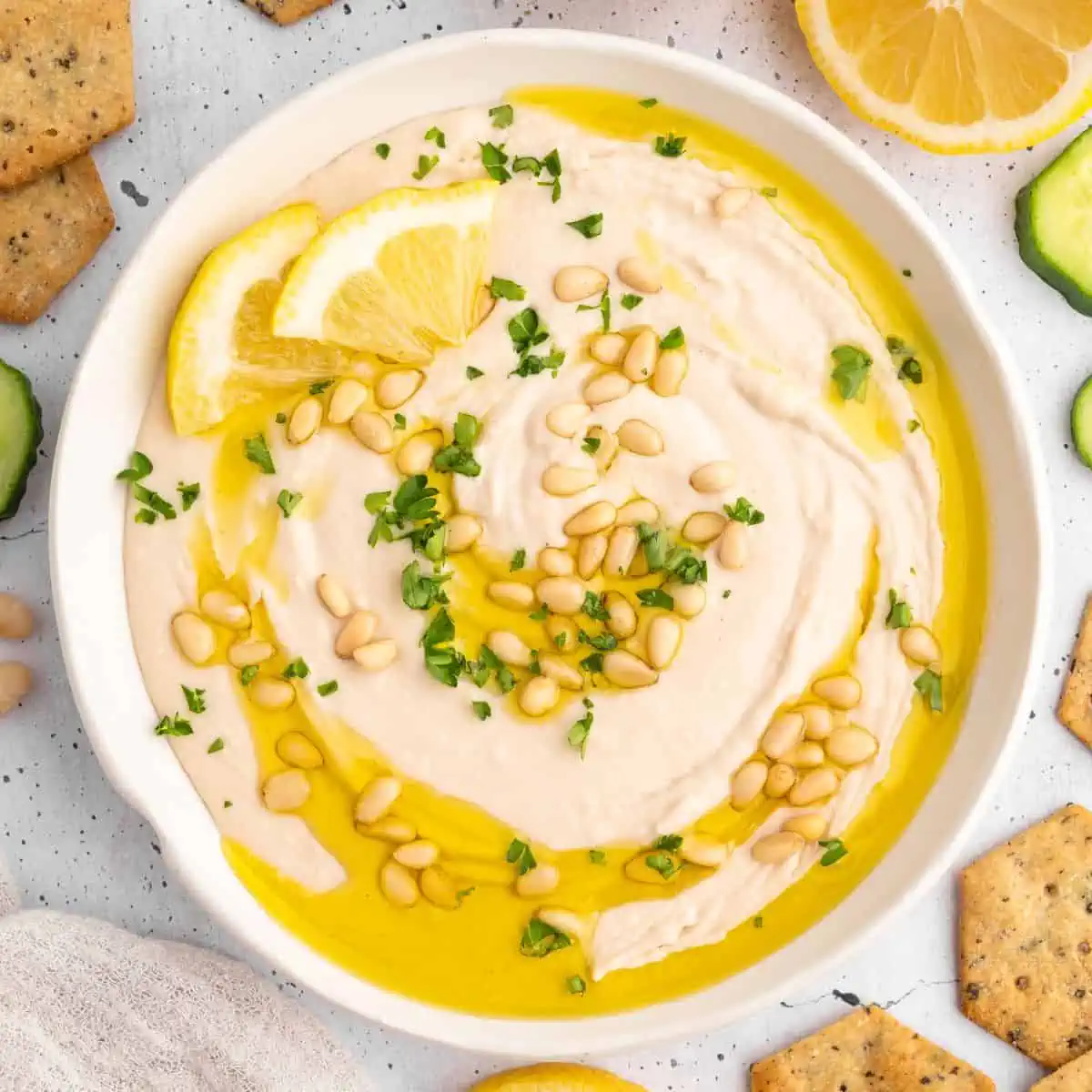
Lebanese food is generous, colorful, and built for sharing. A table often starts with mezze: small plates of hummus, smoky baba ganoush, tabbouleh, lentil pilafs, and piles of warm flatbread. Olive oil, lemon, garlic, and fresh herbs run through everything, giving even the simplest beans and grains a lively punch. While yogurt and cheese do show up, the backbone of the cuisine is already plant-based.
Here’s what to order:
- Mujaddara: Lentils and rice topped with caramelized onions; humble and deeply satisfying.
- Tabbouleh: Parsley, bulgur, tomato, and mint, dressed with lemon and olive oil.
- Hummus with pita: Chickpeas blended smooth with tahini and lemon.
Here’s what to double-check:
- Cheese-filled pastries and labneh in mezze spreads.
- For breads and pies, confirm no butter/samneh if house-made.
Why it works for vegans:
Lebanese cooking makes stars out of legumes, grains, and herbs, with olive oil and lemon doing the heavy lifting. Skip the dairy, and you’ll find a table full of dishes that are naturally vegan, balanced, and endlessly sharable.
Egyptian
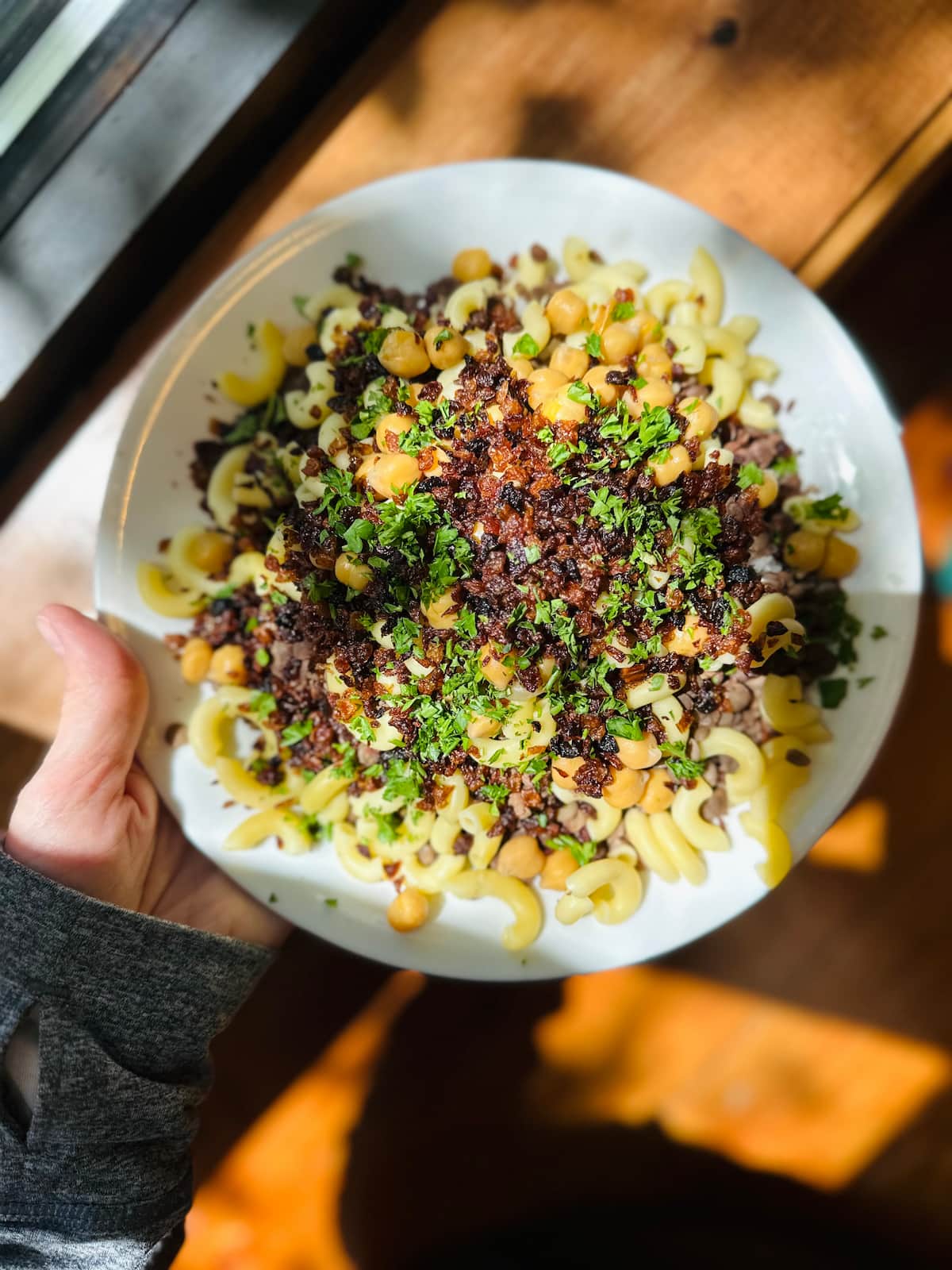
Egyptian cooking is hearty, comforting, and built on staples that just happen to be vegan. Street vendors serve bowls of ful medames—slow-cooked fava beans topped with olive oil, lemon, and fresh herbs. Another national favorite, koshari, layers rice, lentils, pasta, spicy tomato sauce, and crispy onions into one bowl of carb-heavy comfort. It’s food made to be filling, affordable, and full of flavor, with vegetables, grains, and legumes always at the center.
Here’s what to order:
- Ful medames: Creamy fava beans simmered until tender, finished with garlic, lemon, and olive oil.
- Koshari: Rice, lentils, pasta, tomato sauce, and fried onions in a single layered dish.
- Ta’ameya (Egyptian falafel): Made with fava beans instead of chickpeas, fried until crisp.
Here’s what to double-check:
- Butter or ghee sometimes used to finish dishes—ask for oil.
- Yogurt-based sauces appear with some street foods, but koshari is typically vegan.
- Eggs: Less common, but can appear in certain home-style versions of bean dishes.
Why it works for vegans:
Egyptian cuisine leans heavily on legumes, grains, and vegetables, creating naturally plant-based staples that are deeply satisfying. Dishes like ful and koshari prove that simple ingredients, cooked well, can anchor a cuisine and a culture.
Chinese (Buddhist & Regional Dishes)
China has one of the world’s deepest vegetarian traditions, thanks to Buddhist temple cooking that’s been around for centuries. These kitchens developed techniques for coaxing flavor out of tofu, mushrooms, and wheat gluten long before the word “vegan” existed. Beyond temples, regional dishes like Sichuan-style dry-fried green beans or Cantonese vegetable stir-fries show how much of Chinese cuisine is already plant-forward. The key is knowing where oyster sauce or meat stock might sneak in.
Here’s what to order:
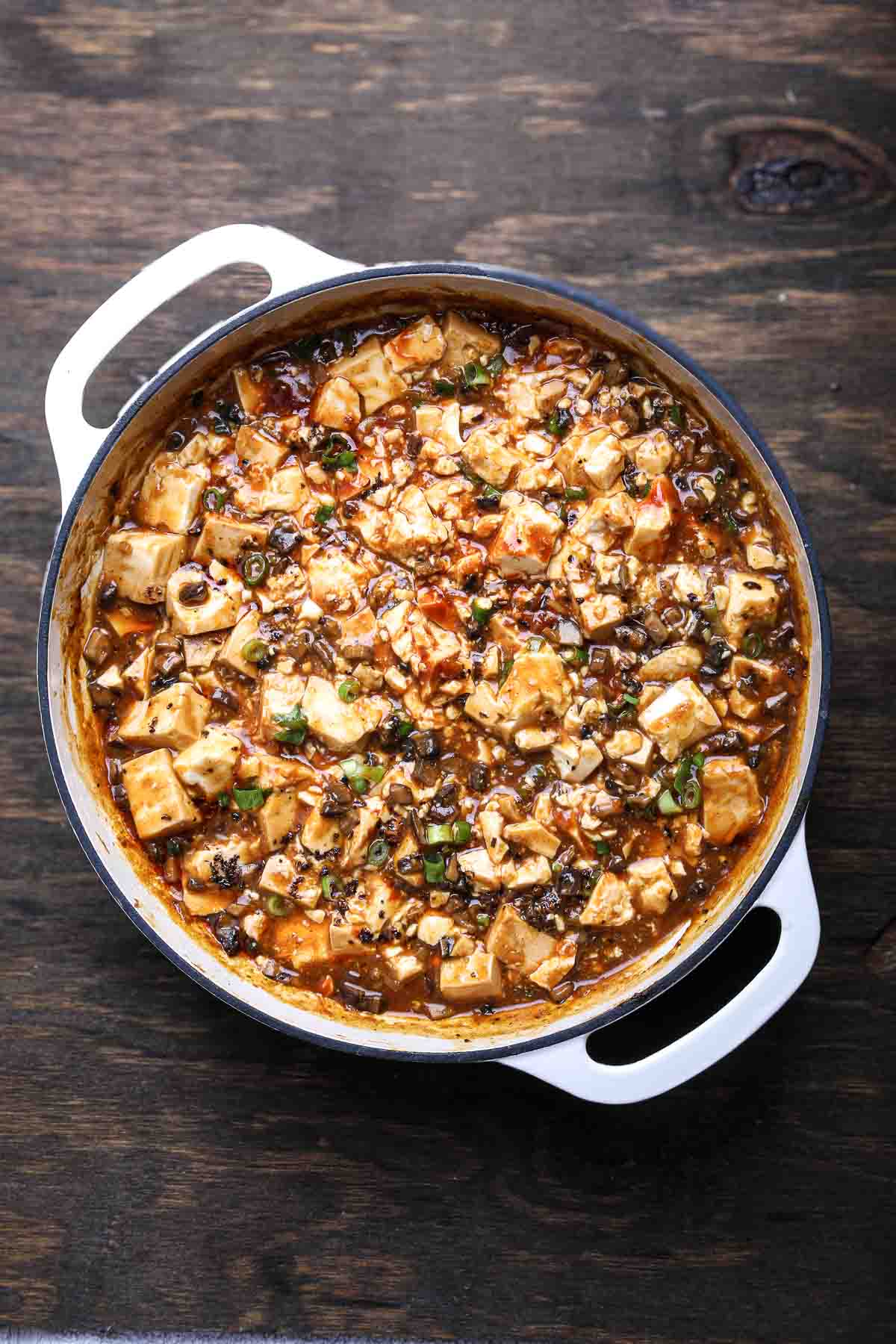
- Mapo tofu (veganized): Tofu in a spicy chili-bean sauce, made without pork or chicken stock.
- Dry-fried green beans: Blistered with garlic, ginger, and chilies.
- Steamed vegetable dumplings: Soft wrappers filled with mushrooms, greens, and tofu.
Here’s what to double-check:
- Oyster sauce: It’s common in stir-fries; ask for mushroom-based versions.
- Chicken or pork stock: Used as a default in soups and sauces.
- Egg in noodles or dumpling wrappers: Plenty of egg-free versions exist, but confirm.
Why it works for vegans:
Chinese cooking offers a huge archive of plant-based dishes, from Buddhist temple menus to everyday stir-fries. With a quick ask about stock or oyster sauce, it becomes one of the most vegan-friendly cuisines in the world.
American Comfort Food
Think burgers, chili, mac and cheese, and pizza—the foods that define a weekend cookout or a cozy night in. For decades they were heavy on meat and dairy, but today vegan versions are everywhere. Black bean or Impossible burgers come stacked with fixings, smoky plant-based chili simmers on the stove, and cashew-based mac and cheese hits the same creamy notes as the classic. It’s not “health food”—it’s comfort food re-engineered, built with the same spirit but a different pantry.
Here’s what to order:
- Vegan burger: Black bean, lentil, or plant-based patties loaded with toppings.
- Mac and cheese: Pasta coated in cashew, potato, or butternut-based sauces.
- Chili: Smoky, tomato-rich chili made with beans, vegetables, and plenty of spice.
Here’s what to double-check:
- Cheese and dairy: Easy to swap, but often default in pizza, burgers, and pasta.
- Eggs in burger buns or baked goods: Many places now offer vegan options.
- Hidden broths or stocks in soups and chilis: Confirm they’re vegetable-based.
Why it works for vegans:
American comfort food is one of the vegan cuisines that has always been about flavor and familiarity. These dishes can be adapted seamlessly in plant-based cooking, proving you don’t need meat or dairy for food that feels like comfort.

FAQs
There isn’t one cuisine that’s entirely vegan everywhere, but several are strongly plant-forward by tradition—Ethiopian (injera with lentil stews), South Indian (dosas, idlis, coconut-based curries), Levantine meze, and Japanese shōjin ryōri. These are vegan cuisines that don’t rely on substitutes.
There isn’t an official global “#1 vegan country.” By consumer adoption, India is often cited near the top. For dining and travel infrastructure, the UK frequently leads, with London ranked the most vegan-friendly city.
Ethiopian platters with lentils and injera, South Indian dosas and idlis, Middle Eastern mezze, and Mediterranean dishes like Greek stuffed vegetables are all examples of vegan cuisines. These examples show how vegan cuisines are built from traditional ingredients rather than meat replacements.
What These Cuisines Teach Us
Plant-based eating isn’t new—it’s been a central part of global food traditions for centuries. From Ethiopian lentil stews to South Indian dosas, Greek beans, and American comfort classics, the best vegan cuisines show how flavor and history live in beans, grains, and vegetables. These dishes aren’t workarounds; they’re the originals.
For travelers, that means you can step into restaurants around the world and order confidently, knowing whole cuisines are already on your side. For home cooks, it’s a reminder that the pantry—rice, lentils, chickpeas, greens—holds more variety than you might expect.
Whether you’re eating with your hands around a shared platter of injera or tucking into a bowl of vegan chili, vegan cuisines connect us across cultures. They prove that the food we crave—comforting, flavorful, nourishing—has always been here, ready to be enjoyed.
More Vegan Cuisines to Explore



We hope you enjoyed this vegan cuisines guide. Do you have a favorite cuisine we left out? Tell us about your favorites in the comments!
You may also like...



Enter to Win Our Monthly Giveaway!
New winner every month! Drop your name below for a chance to win hundreds of dollars of vegan prizes from our brand partners. You’ll also receive our weekly e-newsletter with plant-based recipes galore!
Leave a Comment