







How Many Grams in an Ounce?
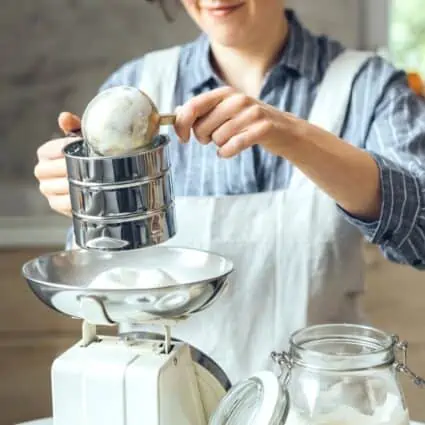

Using a kitchen scale makes baking and cooking so much easier! You don’t have to mess with a bunch of measuring cups or spoons. Just toss everything right into the bowl and get super accurate results. It’s faster, cleaner, and way more reliable.
But here’s the catch—lots of recipes don’t use the same units all the way through. It gets even trickier if you’re trying to double or cut a recipe in half. Thankfully, switching between ounces and grams isn’t that hard. They both measure weight—just in different systems.
Ready to find out more? Keep reading, friend!
What Are Grams?
The word “gram” comes from French and showed up in a law about the metric system way back in the 1700s. That law said a gram is the weight of one cubic centimeter of water. Pretty cool, right? It’s been around for a long time and is still super useful today.
Grams are part of the metric system and used all over the world. It takes 1,000 milligrams to make one gram, and 1,000 grams make a kilogram. A paperclip weighs about a gram, just to give you an idea. Grams are great for cooking and baking because they help you get super exact with both dry and wet ingredients.
What Are Ounces?
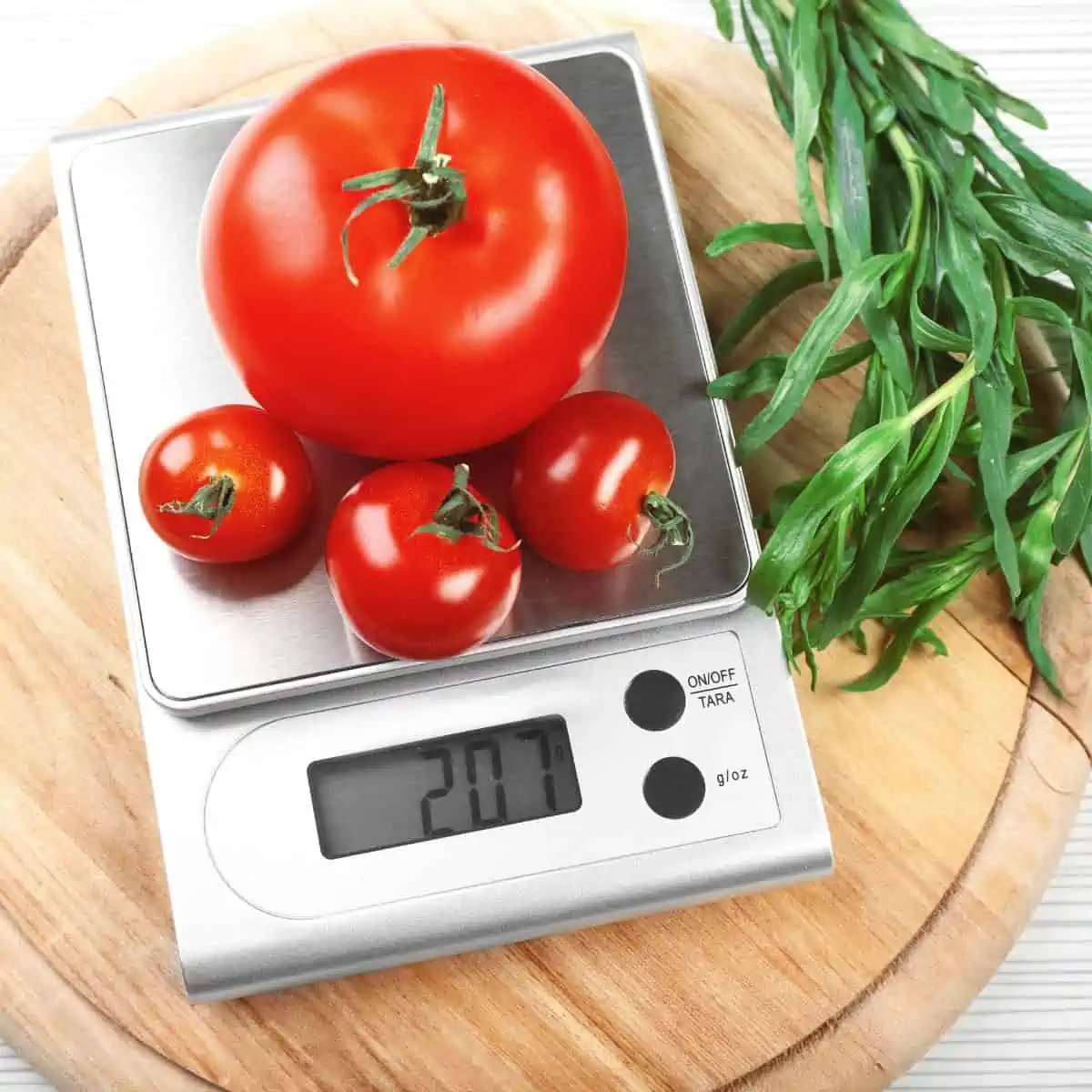
Ounces are a way to measure weight. People use them mostly in the U.S. and a few other places. One ounce is pretty small—about the weight of a slice of bread. If you stack 16 ounces together, you get one pound. Cooks and bakers often use ounces to measure things like flour, sugar, or butter.
It works for both dry stuff and liquids. That’s why you’ll see it in a lot of recipes. It helps keep things simple when you’re not using the metric system. The written abbreviation is “oz” and there are 16 ounces in 1 pound.
How Many Grams In An Ounce?
Lots of people just say there are 28 grams in an ounce, and that’s close enough for most things. But if you want to be super exact, the real number is:
28.3495 grams (g) = 1 ounce (oz)
That tiny difference might sound strange, but it’s totally normal. It just comes from how the two systems (metric and imperial) line up. Most kitchen scales don’t show numbers that exact anyway. You’ll usually see whole grams or maybe one decimal place. That little 0.0005 gram difference won’t mess up your recipe. So don’t worry—your cookies will still turn out great!
Here are more common conversions of grams to ounces:
Converting Grams to Ounces
| Grams | Ounces |
| 15 grams | 0.53 ounce |
| 30 grams | 1.06 ounce |
| 60 grams | 2.12 ounces |
| 100 grams | 3.53 ounces |
| 150 grams | 5.29 ounces |
| 200 grams | 7.05 ounces |
| 300 grams | 10.58 ounces |
| 400 grams | 14.11 ounces |
| 500 grams | 17.64 ounces |
| 1000 grams | 35.27 ounces |
Converting Ounces to Grams
| Ounces | Grams |
| 1 ounce | 28.35 grams |
| 2 ounces | 56.70 grams |
| 3 ounces | 85.05 grams |
| 4 ounces | 113.40 grams |
| 5 ounces | 141.75 grams |
| 10 ounces | 283.50 grams |
| 15 ounces | 425.24 grams |
| 30 ounces | 850.49 grams |
| 40 ounces | 1133.98 grams |
| 50 ounces | 1417.48 grams |
What Are Troy Ounces?
Troy ounces are a special way to measure weight, mostly used for gold, silver, and other precious metals. They’re a bit heavier than regular ounces:
1 Troy ounce = about 31.1 grams
So if you’re buying jewelry or coins, you might see the weight listed in troy ounces. Most people don’t use troy ounces in everyday cooking or shopping. They show up more in the world of metals and investing. It’s just one of those old-school systems that stuck around.
So, unless you’re dealing with gold bars, you probably won’t need them!
More Kitchen Conversion Resources



We hope you found this metric conversion guide useful and that you now have an understanding of how to convert grams to ounces.
Hungry for more? Subscribe to the World of Vegan weekly newsletter and join our community of over 1 million plant-passionate peeps on Instagram (@Vegan), Facebook, Pinterest, and YouTube!
You may also like...


Enter to Win Our Monthly Giveaway!
New winner every month! Drop your name below for a chance to win hundreds of dollars of vegan prizes from our brand partners. You’ll also receive our weekly e-newsletter with plant-based recipes galore!
Leave a Comment
such an informative article love it
This is so great to be able to quickly reference! Thank you!