













How Many Ounces in a Pint?
Whether math was your favorite subject or your biggest challenge, figuring out recipe conversions can throw anyone for a loop. Let’s face it—kitchen math feels like it deserves its own class, but sadly, no one’s handing out cheat sheets with your measuring cups! Here’s the good news: you’re definitely not the only one scratching your head over this stuff.
So, let’s tackle one of the most common questions that trips up home cooks everywhere: How many ounces are in a pint? Spoiler alert—it’s not as tricky as it seems once you know the answer! Fun fact: understanding these measurements can also make you feel like a total pro in the kitchen. It’s one small step for your recipes, one giant leap for cooking confidence! Let’s break it down.
What Is An Ounce?
The word “ounce” comes from the Roman word “uncia,” which originally referred to 1/12th of a copper bar used to measure length and weight. Thankfully, we’re no longer lugging around copper bars in the kitchen with our spatulas and whisks—this old system is long gone!
Today, ounces are part of the modern British metric system. Fluid ounces measure liquids by volume, while dry ounces measure solids by weight. For reference, a fluid ounce is about 28.3 grams, equal to 1/16th of an Imperial pint or pound. Pretty handy, right?
What Is A Pint?
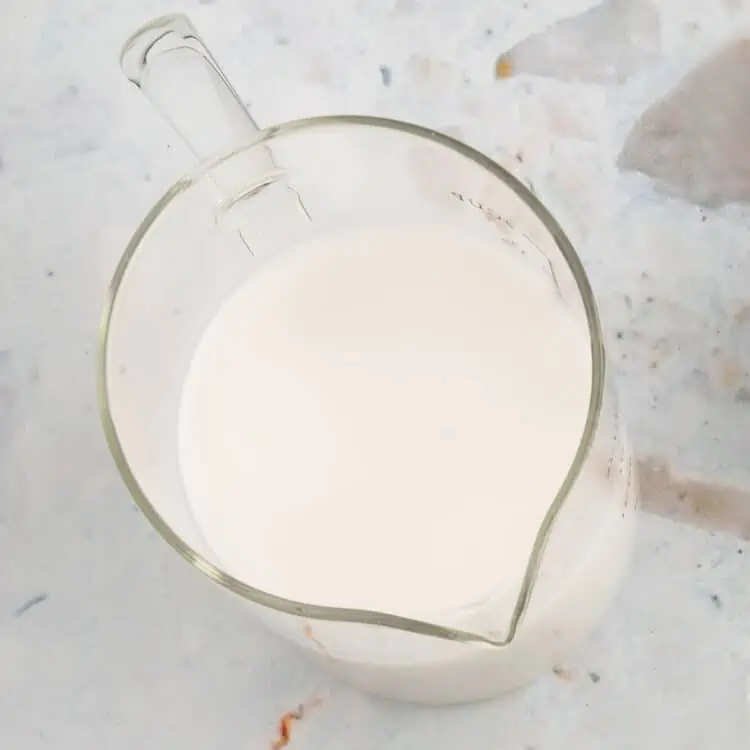
The word “pint” comes from the old French word “pinte” and the Latin word “pincta,” which referred to markings on containers. These days, we mostly think of pints when it comes to beer—so if you’ve ever ordered a pint at the bar, you’ve already got a head start on conversions! In the US, a pint equals 16 fluid ounces, which is the same as 2 cups in volume:
1 US Pint = 16 fluid ounces = 2 cups
But here’s where it gets tricky: in Britain, a pint is 20 fluid ounces. That’s why it’s super important to know which country’s measurements you’re working with, especially when converting recipes. It’s all about keeping those measurements straight so your dishes come out just right!
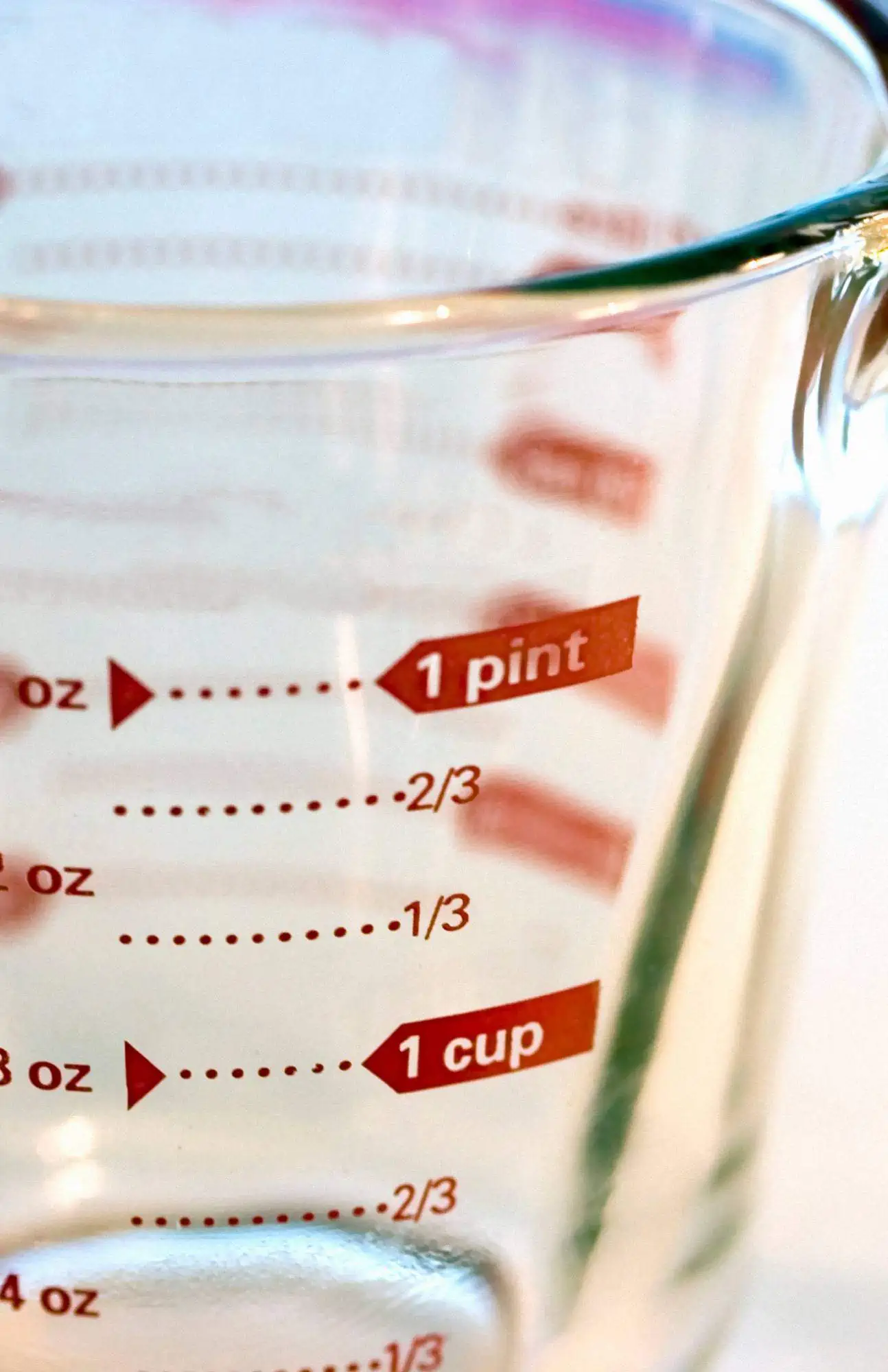
How Many Ounces In A Pint?
If you’re working with a recipe written by an American for a U.S. audience, the math is super simple:
1 US pint = 16 fluid ounces (fl oz).
That’s it—no guesswork needed! To make things even easier, check out the table below for some other common measurements you might run into.
| Fluid Ounces | Pints |
| 16 ounces | 1 pint |
| 14 ounces | ⅞ pint |
| 12 ounces | ¾ pint |
| 10 ounces | ⅝ pint |
| 8 ounces | ½ pint |
| 6 ounces | ⅜ pint |
| 4 ounces | ¼ pint |
| 2 ounces | ⅛ pint |
Dry Ounces vs. Fluid Ounces
The difference between dry ounces and fluid ounces comes down to what you’re measuring: weight or volume. A dry ounce measures weight, so it’s used for things like flour, nuts, or chocolate chips. It tells you how heavy something is. A fluid ounce, on the other hand, measures volume, which is perfect for liquids like water, oil, or juice.
It tells you how much space the liquid takes up. Keep your mind on weight for dry ounces and space for fluid ounces, and you’ll always get it right!
Dry Pints vs. Fluid Pints
Similarly, a dry pint and a fluid pint are two different ways of measuring things, and it’s all about whether you’re dealing with solids or liquids. A fluid pint is used for liquids, like water or milk, and equals 16 fluid ounces. It’s all about volume, so it measures how much space the liquid takes up.
A dry pint, on the other hand, is for things like fruits, veggies, or grains. It’s slightly bigger and measures 18.6 ounces in weight. Instead of volume, it’s more about how much the item weighs or fits in a container. Think liquids for fluid pints and solids for dry pints, and you’re good to go!
Imperial Fluid Ounce vs U.S. Fl Oz
The imperial system was created in the United Kingdom back in 1824 through the Weights & Measures Act. But here’s the twist—by then, America had already broken away from Britain, so the U.S. missed out on the standardization party! Instead, Americans came up with their own system of measurements, and it stuck.
Fast forward to today, and this unique system is officially used by just three countries: the United States, Liberia, and Myanmar. So, if you’ve ever wondered why U.S. recipes don’t use metric measurements, now you know—it’s all about history!
Measurement FAQs
1 Cup = 8 fluid ounces = ½ Pint
We have an article specifically about how many ounces are in a quart—but here is the basic conversion.
1 Quart = 2 Pints = 32 fluid ounces = 4 cups
This is another similar measurement that you’ll find used to describe the volume of beverages only in Germany. A pintchen is a smaller pour, coming in at only 11.2 ounces, or slightly less than 1 ¼ cups in volume. More accurately, it’s a glass of a third of a liter, usually seen in Cologne and the Rhineland in particular.
Listen while you cook! Tune into my podcast, The Plant Powered People Podcast, while you’re cooking, folding laundry, or taking a bath. It may just change your life!


You may also like...


Enter to Win Our Monthly Giveaway!
New winner every month! Drop your name below for a chance to win hundreds of dollars of vegan prizes from our brand partners. You’ll also receive our weekly e-newsletter with plant-based recipes galore!
Leave a Comment
Love these super informative
Thanks for such a helpful article! Definitely will be referencing this in the future!