


















Best Vegan Sources of Iodine
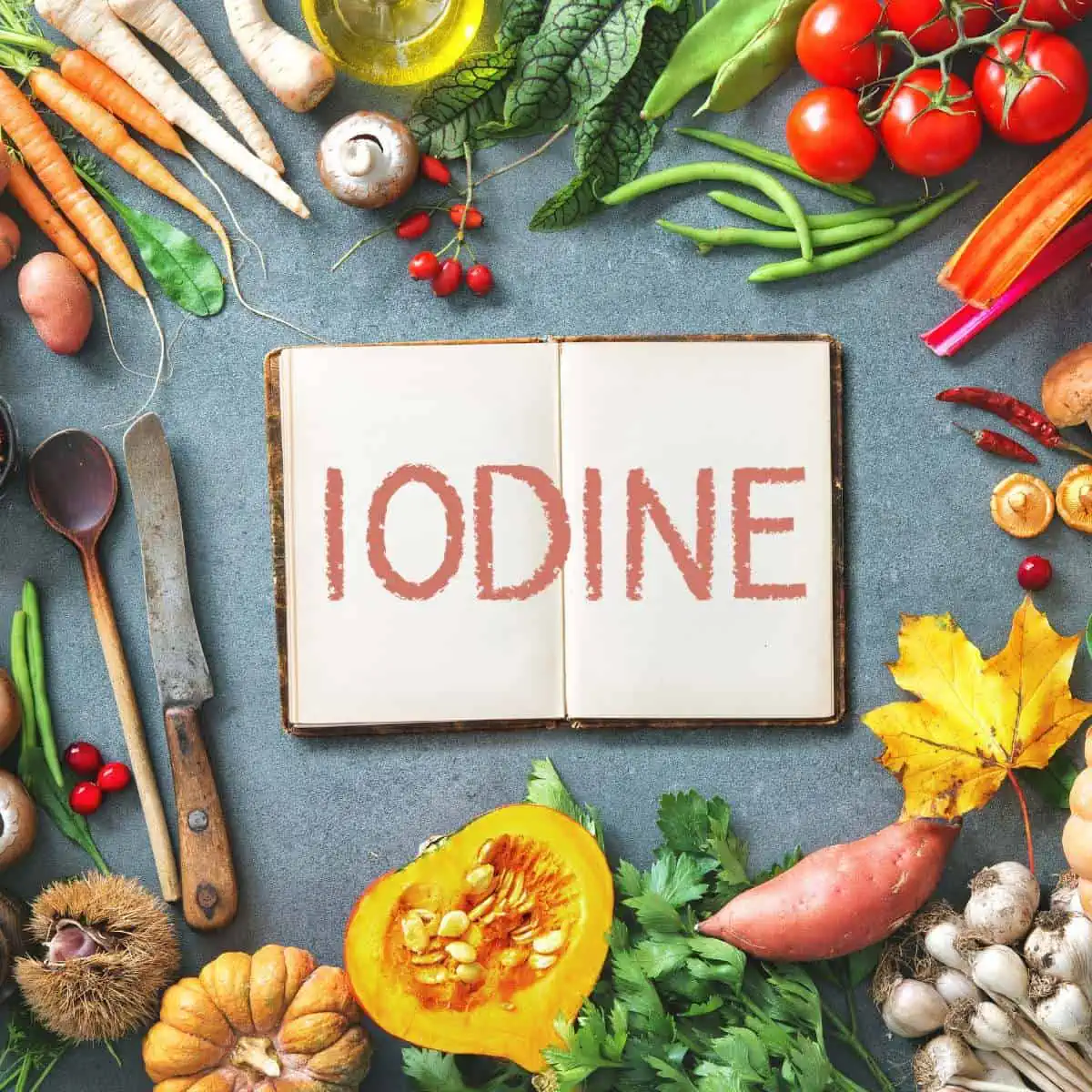
Getting enough iodine on a vegan diet is easier than you might think! This important mineral helps support a healthy thyroid, but knowing the best plant-based sources can be a little confusing. The good news is that there are plenty of simple ways to add more iodine to your meals. Here’s where to find the best vegan iodine sources and how to get enough every day.
What is Iodine?
Iodine is an essential mineral that your body needs but can’t make on its own, so you have to get it from food. It’s found naturally in some foods, seawater, and soil, and even though you only need small amounts, it plays a big role in your health.
Iodine was first discovered in 1811 while a chemist was working with seaweed ash, and its name comes from the Greek word for “violet” because of its purple color. Today, iodine is best known for supporting healthy thyroid hormone production, which is why iodized salt has helped reduce iodine deficiency around the world.
The Vital Role of Iodine in Thyroid Health and Development
Iodine is an important mineral that helps your body make thyroid hormones, which support a healthy thyroid and keep many of your body’s functions running properly. Not getting enough iodine can lead to thyroid problems like hypothyroidism or an enlarged thyroid (goiter). It also plays a big role in brain health and development.
Getting enough iodine is especially important during pregnancy and early childhood. Babies need iodine for healthy brain, nervous system, and bone development. A lack of iodine during this time can cause lifelong health problems, which is why it’s important to get enough from your diet.
Iodine Sources for Vegans
How do vegans get their iodine?
Non-vegans typically get their iodine from:
- Sea Animals – Sea animals absorb iodine from ocean water.
- Dairy – Dairy products contain iodine due to the iodine solutions used in cleaning cow udders and milking equipment. But, also from iodine-fortified cow feed.
- Eggs – Eggs have iodine because chickens eat iodine-enriched feed.
Since vegans don’t consume sea animals, dairy or eggs, where can they get iodine?
Here are the best vegan sources of iodine.
1. Iodized Salt (Most Reliable Source)
The most reliable vegan source of iodine in the food supply is iodized salt.
Just half a teaspoon of iodized salt provides a full day’s worth of iodine, ensuring that we’re always at the peak of our superhero potential.
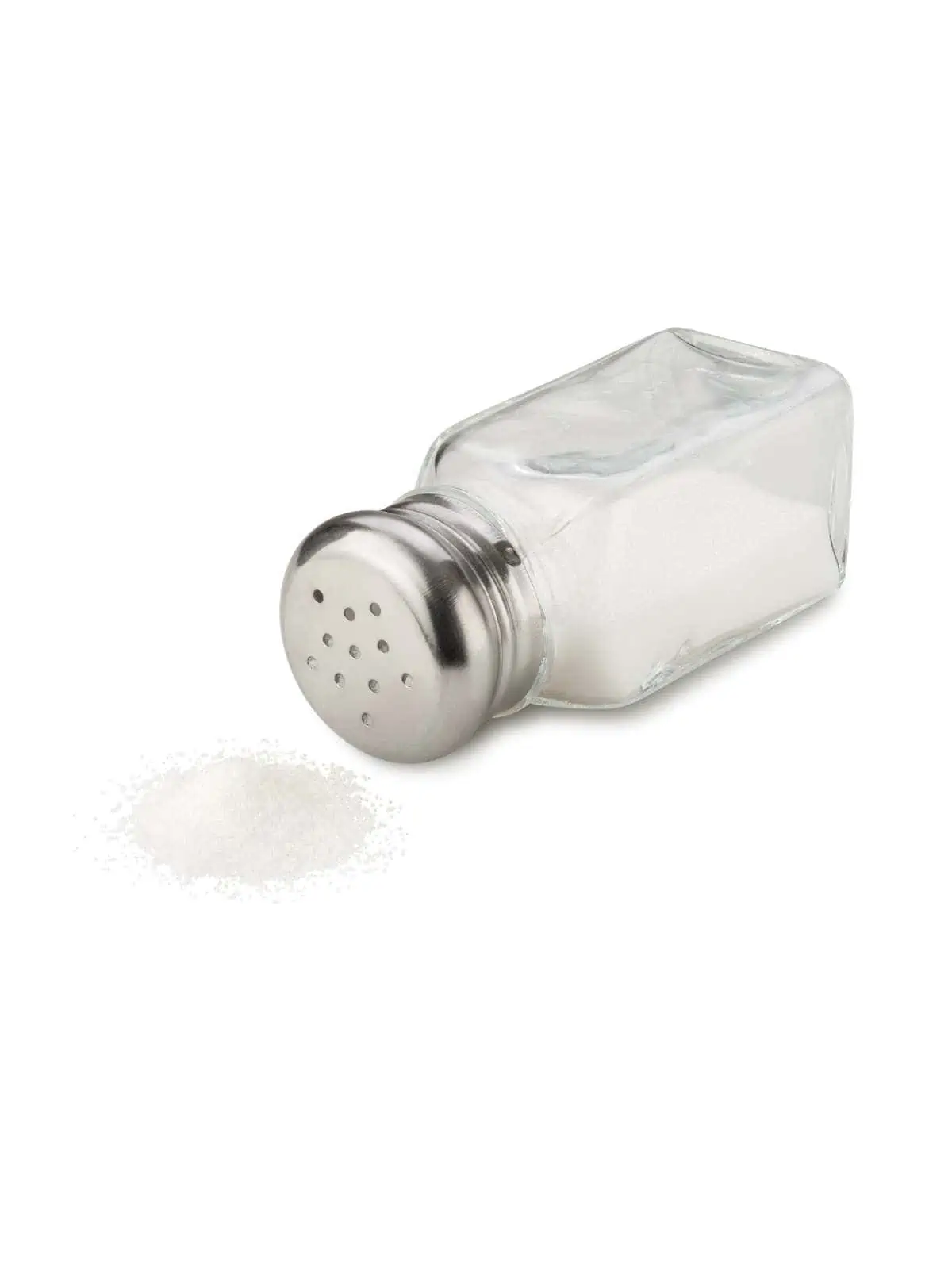
We aware that most sodium in many peoples’ diets comes from processed foods, and the salt in processed foods is not iodized. Also, many people use non-iodized salts at home, such as sea salt and Himalayan salt.
It’s a wise choice for vegans to use iodized salt when cooking and seasoning at home. You can even find iodized sea salt at the grocery store.
2. Plant Foods (Unreliable Source)
Iodine occurs naturally in soil. However, the amounts vary and we don’t know how much iodine from soil is actually taken up into plants. A lot of soil is iodine-deficient, which means crops grown in certain areas may not contain much iodine at all. Because the iodine content in soil varies, the iodine content in plant foods also varies. We can’t rely on the unknown content of iodine in plant foods to meet our iodine needs.
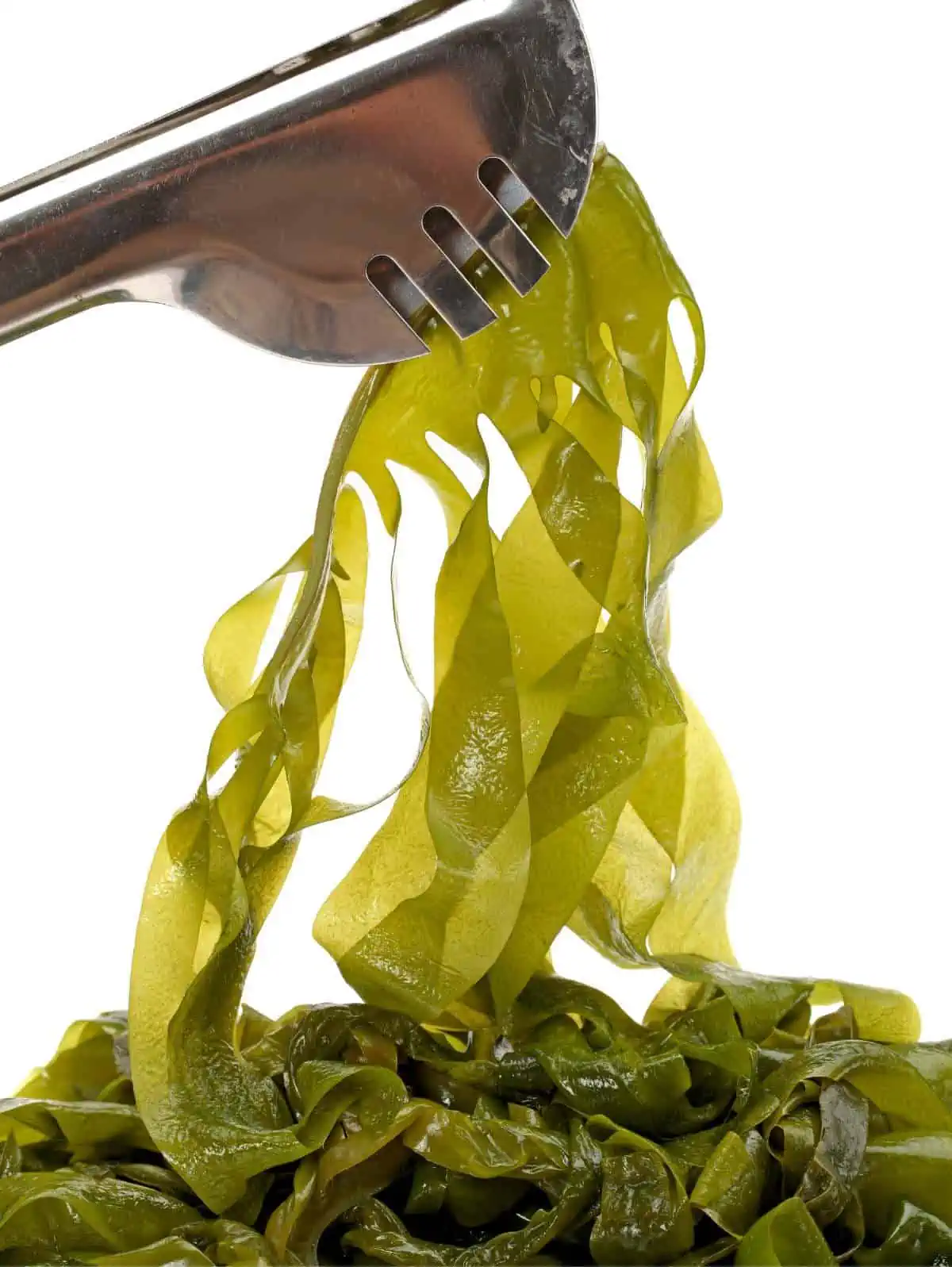
3. Seaweed (Unpredictable Source)
Seaweed, contains iodine, but tread cautiously. The iodine content in seaweed can vary wildly, sometimes reaching dizzying heights, especially in kelp. It’s best not to rely solely on seaweed for your iodine fix.
4. Iodine Supplements
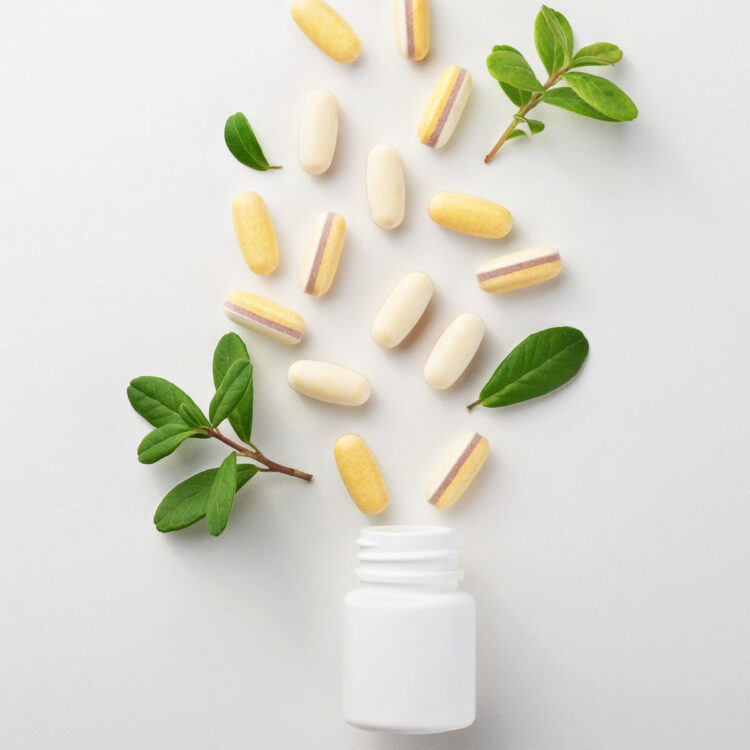
For vegans who don’t consume half a teaspoon of iodized salt daily, or find yourself falling short of the daily recommended intake. You can find iodine in a vegan multivitamin or as a stand-alone supplement.
There are primarily two sources of iodine in supplements:
- Kelp – Be aware that some kelp supplements have significantly higher iodine content than indicated on the label. if you can only access a kelp-based supplement (and you’re not consuming iodized salt), it’s still preferable to no supplement at all.
- Potassium Iodide – More consistent in their iodine content, this makes potassium iodide a reliable choice.
For those who are pregnant, may become pregnant, or are lactating, both the American Thyroid Association and the American Academy of Pediatrics advise taking a daily supplement with 150 mcg of iodine derived from potassium iodide.

Iodine Recommendations for Vegetarian and Vegans
According to the National Institutes of Health, adults need 150 micrograms (mcg) of iodine daily. Those who are pregnant or lactating need even more iodine (220 mcg and 290 mcg, respectively).
Why Was Iodine Added to Table Salt?
Iodine was added to table salt in the 1920s to help prevent iodine deficiency and health problems like goiter. At the time, many parts of the United States had very little iodine in the soil, so people weren’t getting enough from the foods they ate.
Adding iodine to salt turned out to be a simple, affordable solution that greatly reduced iodine deficiency in just a few years. Because it worked so well, many countries around the world later began using iodized salt too.
Signs of Iodine Deficiency
Iodine deficiency can manifest in several ways. Some of the most common signs include:
- Goiter – The most recognizable sign of iodine deficiency, a goiter is an enlarged thyroid gland that may appear as a swelling at the base of the neck.
- Hypothyroidism – Iodine deficiency can lead to decreased production of thyroid hormones, resulting in hypothyroidism. Hypothyroidism symptoms include fatigue, depression, forgetfulness, feeling cold, dry skin, thinning hair, and constipation.
- Mental Slowing and Forgetfulness – Reduced thyroid hormone levels can affect the brain’s function, leading to difficulties in thinking and remembering.
- Fatigue and Weakness – Reduced levels of thyroid hormones can lead to a general feeling of tiredness and lack of energy.
- Dry, Flaky Skin – Skin changes, including dryness and flakiness.
- Hair Loss – Inadequate iodine levels can interfere with hair growth and might result in hair loss.
- Weight Gain – A sluggish metabolism due to a lack of thyroid hormones might cause unexplained weight gain.
- Increased Sensitivity to Cold – Individuals with iodine deficiency may feel unusually cold compared to others, even in mild temperatures.
- Slow Heart Rate – A deficiency can lead to a slower than usual heart rate.
- Heavy or Irregular Periods – Iodine deficiency can disrupt the menstrual cycle, causing heavy or irregular periods.
It’s essential to recognize these signs early, as prolonged iodine deficiency can lead to more severe health problems. If you suspect you have an iodine deficiency, consult with a plant-based registered dietitian and healthcare professional for appropriate testing and guidance. There are many vegan doctors available for consult if needed as well.
Harness the Power of Iodine to Protect Your Thyroid Health
Eating a healthy vegan diet is all about making sure your body gets the nutrients it needs, and iodine is one of them. The good news is that getting enough iodine doesn’t have to be difficult. With a little planning and the right foods, you can easily meet your iodine needs while enjoying all the benefits of a plant-based lifestyle.
Looking for more? Subscribe to the World of Vegan weekly newsletter and join our community of over 1 million plant-passionate peeps on Instagram (@Vegan), Facebook, Pinterest, and YouTube!



This article was written with guidance from registered dietitian Taylor Wolfram RD, and you can find more vegan nutrition information on her website. Please note, the information presented here is not to be construed as medical advice or used to diagnose, treat, cure or prevent any condition or disease.
You may also like...


Enter to Win Our Monthly Giveaway!
New winner every month! Drop your name below for a chance to win hundreds of dollars of vegan prizes from our brand partners. You’ll also receive our weekly e-newsletter with plant-based recipes galore!
Leave a Comment